I’ve Forecast Extreme Weather for 30 Years. These Are My Top Adventure Towns for Escaping the Heat.
As a television meteorologist forecasting weather for over 30 years, I spend summer watching heat domes expand across the country. As an adventurer who’s summited Kilimanjaro and trekked to Everest Base Camp—and visited all 50 states at least twice—I’m always seeking out under-the-radar adventure spots. And this time of year, I seek out places where summer still feels refreshingly cool—even if it’s not the top of a mountain.
This summer, in particular, has delivered plenty of reasons to seek cooler temperatures. A stagnant slow-moving weather pattern is fueling the scorching temperatures. Rapid City, South Dakota, hit an all-time high of 112 degrees Fahrenheit on July 25th, 24 degrees above its average high of 88 degrees Fahrenheit. Denver, Colorado, hit rare back-to-back triple-digit days July 25-26, including a record-setting high of 103 degrees Fahrenheit on July 26th, breaking the daily record high of 100 degrees Fahrenheit set in 1910 and marking the city’s hottest day since June 28, 2018.
Will there be a reprieve soon? The outlook through at least early August is for above-average temperatures to continue. The Climate Prediction Center Seasonal Temperature Outlook through October isn’t showing much heat relief either. Plus, the rapidly strengthening super El Niño is intensifying the heat domes.
“Extreme heat now stretches into the spring and fall, extending summer-like conditions. In most parts of the country, we are seeing more days at extreme temperatures in the summer and shoulder seasons,” Jen Brady, Climate Central’s Senior Data Analyst and Research Manager tells Outside.
The United States isn’t sweltering alone. Historic heat waves continue across Europe, too. With the record setting heat and prolonged drought, France and Spain are battling an unprecedented wildfire season. Canada currently has over 900 wildfires, including the ones sending smoke plumes over the Great Lakes to the Northeast and Mid-Atlantic States. Wildfires have scorched more than 380,000 acres in Utah. The Aspen Acres Fire alone has burned over 101,000 acres in Colorado, and active wildfires are burning from Washington to New Mexico.
“Coolcations” in Adventure Towns
Travelers, like myself, are taking notice by going on “coolcations.” Trip.com Group reports searches for cooler destinations are up 74 percent this year, while Booking.com found that 74 percent of travelers now consider the risk of extreme weather, including heat, when planning trips, and one in four travelers opting to vacation somewhere cooler.
While many flock to cool weather favorites like Bar Harbor, Mackinac Island, and Lake Tahoe to beat the heat, I prefer places that fly under the radar.
As a traveling meteorologist, these are my top picks for places that are high on adventure, but lower in temperatures. I’ve explored each of these destinations firsthand, where elevation, latitude, mountain air, cold lakes, and ocean breezes keep summer temperatures comfortable with highs rarely exceeding 80 degrees Fahrenheit creating some of America’s coolest summertime adventures.
Jackson, New Hampshire
August Average Temperatures: High 78, Low 51
Mount Washington had been on my bucket list for years because the highest peak in the Northeast is infamous for some of the world’s most extreme weather, including a record wind gust of 231 mph recorded on April 12, 1934. As someone who’s reported live from blizzards to Hurricane Katrina, I was hoping to get in on Mount Washington’s wild weather. Instead of hurricane-force winds or typical summertime clouds, on an early September day, I lucked into a sunny 60-degree day that revealed views stretching more than 100 miles. The easiest way to reach the 6,288-foot summit is driving the historic Mount Washington Auto Road. America’s oldest man-made tourist attraction climbs more than 4,000 feet in just 7.6 miles. If you’d rather earn the view, you can hike or bike to the summit. You can also ride the Mount Washington Cog Railway, the world’s first mountain-climbing cog railway.
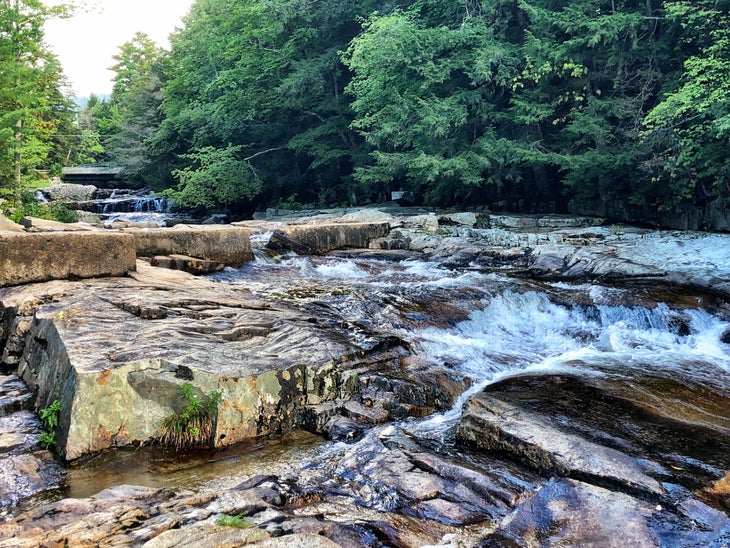
Back in the valley, cool off at Jackson Falls. The 100-feet-tall falls is a series of cascades and pools on the Wildcat River. Paddle the Androscoggin River on a guided wildlife kayaking tour with Great Glen Trails Outdoor Center. From scenic carriage roads to technical single track, there’s terrain for every mountain biker in the White Mountains.
Why It Stays Cool: Nestled into the White Mountains, Jackson gets a cool benefit from the dense forest. August high temperatures rarely exceed 75-78 degrees Fahrenheit. Dense, cool nighttime air sinks into the valley for crisp mornings in the low 50s, even in the heart of summer.
Where to Eat: Chow down on a Bennie or omelet at Yesterdays. Grab a burger at the Sunrise Shack. Enjoy country comfort food in the rustic post and beam Wildcat Tavern. For barbecue and craft beer head over to Moat Mountain Smokehouse and Brewing Company just a few minutes down the road.
Where to Stay: Book a room like I did at the historic Wildcat Inn and Tavern for classic New England charm.
Lake Placid, New York
August Average Temperatures: High 76, Low 51
Tucked into New York’s Adirondacks, Lake Placid is the kind of place in summer, or early fall as I experienced, you’ll likely grab a fleece before coffee, then spend the day paddling, hiking, and experiencing winter Olympic history. There is an actual Lake Placid lake, but the village of Lake Placid is nestled along the shore of Mirror Lake, where gas-powered boats aren’t allowed, making it ideal for swimming, kayaking, and fishing.
Hike High Falls Gorge for waterfalls and shaded trails. Pump the pedals climbing over 3,500 feet in 8 miles, biking the scenic Whiteface Mountain Veterans’ Memorial Highway, widely considered New York’s toughest bike ascent. You can also drive it. Either way, don’t miss out on my favorite part of the Whiteface experience being the short and steep hike up Stairway Ridge Trail to the summit at 4,867 feet.
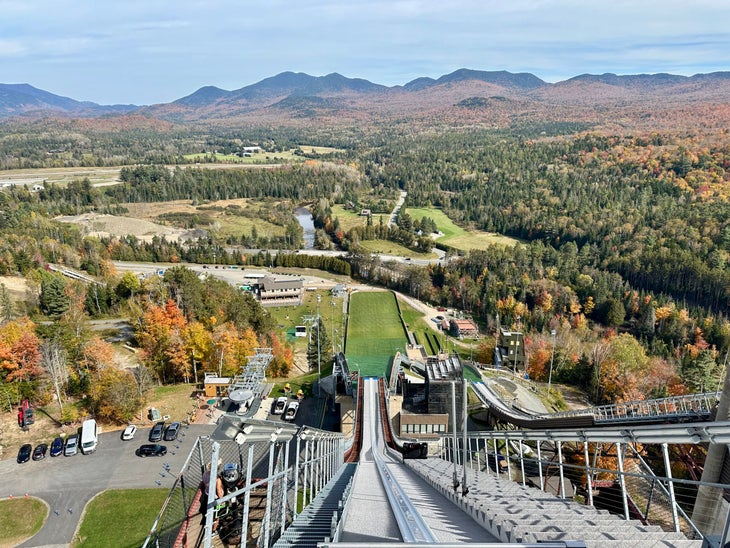
Olympic history is everywhere from skating on the famed Miracle on Ice rink to riding the SkyRide at Lake Placid Ski Jumping Complex. I found both experiences to be exhilarating and literally cool, so take a jacket. During the summer at Mt. Van Hoevenberg, take a luge or biathlon lesson or ride the Cliffside Coaster, North America’s longest mountain coaster, following the historic 1932 and 1980 Olympic bobsled track.
Why It Stays Cool: At just over 1,800 feet, Lake Placid sits higher than much of the surrounding region. Combined with its northern latitude, cold mountain lakes, and bowl-like geography that traps cool nighttime air, it stays refreshingly comfortable even in August when highs average around 75 degrees Fahrenheit. By November, highs average in the low 40s. Lake Placid’s cold weather geography is a prime reason for its winter Olympic legacy.
Where to Eat: Start the day with a latte on the balcony at The Coffee Bar, overlooking Mirror Lake, or grab a pastry from Bluesberry Bakery. The Breakfast Club, etc. is a local favorite before a hike, while Big Mountain Deli & Creperie is perfect for packing lunch on the trail. End the day with Italian classics and lake views at Jimmy’s 21, the village’s oldest continuously operating restaurant.
Where to Stay: High Peaks Resort was my pick for classic Adirondack luxury overlooking Mirror Lake. For a more boutique feel, book the resort’s stylish Lake House or one of the Waterfront Collection rooms right on the lake.
Bayfield, Wisconsin
August average temperatures: High 75, Low 55
Perched on the south shore of Lake Superior, Bayfield stays remarkably cool thanks to one of North America’s greatest natural air conditioners. It’s also the gateway to the Apostle Islands National Lakeshore, where adventure revolves around the water.
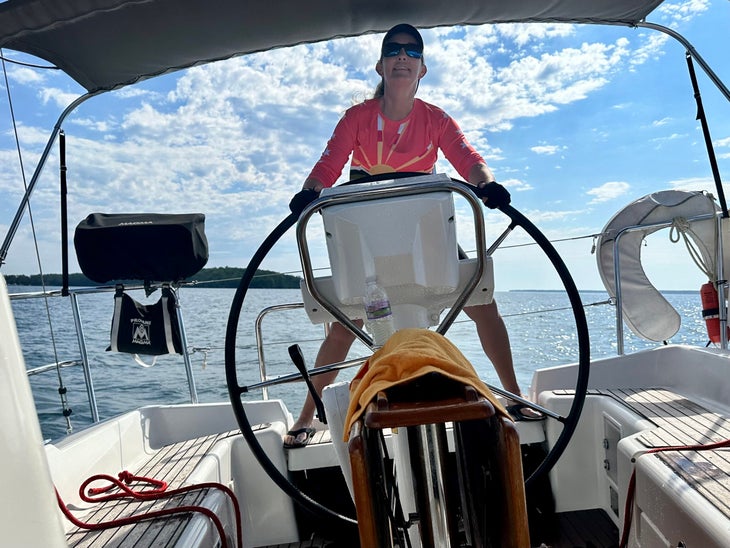
For a challenge, hoist the sails with Superior Charters and learn to sail among the Apostle Islands. My three-day course with Captain Kristine DeVinck is one of my all-time favorite summer adventures. Join a guided sea kayak tour weaving through sandstone carved by centuries of wind and waves.
For a slower pace, hop the ferry to Madeline Island to hike the sandstone bluffs at Big Bay State Park, rent a canoe or kayak to leisurely paddle Madeline Island Lagoon, or bike quiet island roads. Back on the mainland, hike to Houghton Falls, pedal the scenic Bayfield Fruit Loop, or pick your own berries in Wisconsin’s Berry Capital.
Why It Stays Cool: Lake Superior’s enormous size and depth make it slow to warm up. As inland temperatures climb, cooler, denser air flows off the lake each afternoon, often keeping Bayfield 10 to 20 degrees cooler. Summer highs rarely exceed the mid 70s.
Where to Eat: Start the day with eggs, hashbrowns, and cranberry wild rice toast at Manypenny Bistro. Grab a latte at Wonderstate Coffee. Fresh Lake Superior whitefish is a must, so nosh on fish and chips at Greunke’s Restaurant and Hoop’s Fish & Chips Dockside. Enjoy a tasting or cocktail at Copper Crow Distillery, the first Indigenous-owned distillery in North America.
Where to Stay: Reconnect with nature at the Scandinavian-inspired Wild Rice Retreat, where wellness and outdoor adventure go hand in hand. I did a yoga retreat stay as the perfect recovery after three days of sailing. If you’d rather stay steps from the marina, book a waterfront room at the historic The Bayfield Inn overlooking Lake Superior.
Grand Marais, Minnesota
August Average Temperatures: High: 72, Low 54
On Minnesota’s North Shore, I stumbled upon Grand Marais while on a late July road trip to visit National Park Service sites—my main goal being to get to Isle Royale National Park. I found this artsy harbor town to be a wonderful jumping-off point for paddling, hiking, and scenic drives.
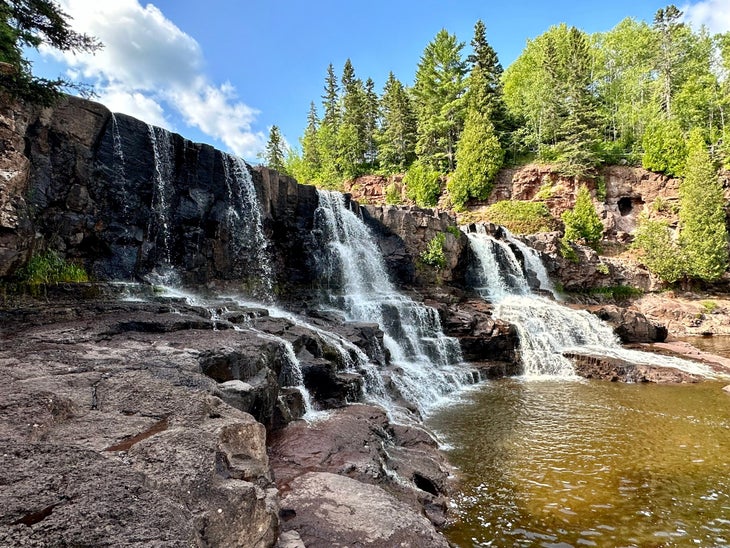
Get up early to catch sunrise at the Grand Marais Lighthouse. About an hour south, hike to cascades in Gooseberry Falls State Park and visit the historic Split Rock Lighthouse built in 1909-1910. Take a scenic drive on the legendary Gunflint Trail, where moose sightings are common and the boreal forest feels worlds away from city life. Go on a guided canoe or kayak tour to paddle in the nearby Boundary Waters Canoe Area Wilderness.
You can only get to Isle Royale by ferry or seaplane from the middle of May through September. For a day trip, I booked a ferry spot out of Grand Portage, about an hour’s drive north of Grand Marais. The ferry ride on Lake Superior and delightful hike through a dense forest turned Isle Royale into one of my favorite national park experiences and I’ve been to 50 of the 63. Once back on mainland, visit Grand Portage National Monument to learn about the area’s fur trading history and Anishinaabe heritage with the entire site located in the Grand Portage Ojibwe Reservation before returning to Grand Marais.
Why It Stays Cools: Because of Lake Superior’s sheer thermal mass and daily lake breeze, afternoon high temperatures rarely top 75 degrees Fahrenheit in Grand Marais. Fog occasionally rolls in as warm, humid air passes over the colder water in a weather phenomenon known as advection fog, creating cool and moody conditions for hiking and paddling.
Where to Eat: Start your day at Java Moose Espresso Café. Dive into a sailor’s delight whitefish sandwich for lunch at The Breakwall. Devour fresh whitefish at Angry Trout Cafe housed in an old commercial fishing shanty. Cheers the day with cold craft beer brewed with water from Lake Superior at Voyageur Brewing Company.
Where to Stay: For an affordable stay in a walkable location to restaurants, I booked the Harbor Inn Hotel.
Lincoln, Montana
August Average Temperatures: High 82, Low 42
Founded in 1860, this tiny mountain town sits along the Continental Divide Trail and is a gateway to some of Montana’s wildest backcountry. I stayed in Lincoln in early August 2025 while crewing for mountaineer Dr. Jon Kedrowski and Grammy-nominated artist Mike Posner as they hiked the CDT. Here, hikers are far more likely to encounter moose, bears, and elk than crowds while exploring the pristine Scapegoat and Bob Marshall Wilderness areas.
History runs just as deep as the wilderness. Hike Lewis and Clark Pass where Meriwether Lewis crossed the Continental Divide in July 1806. Take a scenic one hour drive to Grant-Kohrs Ranch National Historic Site. Go on a ranger led tour of the 1862 ranch house that anchored one of the nation’s largest cattle empires.
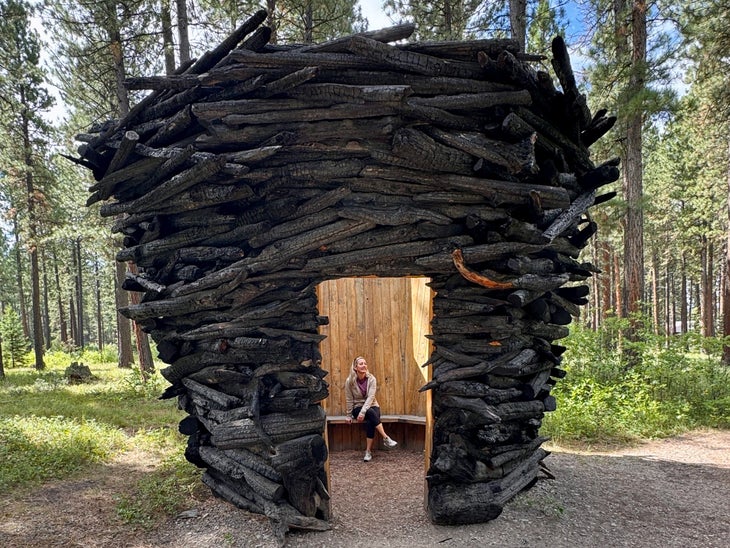
Known for legendary trout fishing, the headwaters of the Blackfoot River are near Lincoln, which you can easily access from the tranquil Lincoln Community River Park that’s perfect for a paddle or swim. The biggest surprise to me is Blackfoot Pathways: Sculpture in the Wild, which is an outdoor art gallery in the forest. If you’re visiting over a weekend, don’t miss the Saturdays in the Wild Summer concert series.
Why It Stays Cool: At 4,536 feet, Lincoln gets cool mountain morning and comfortably warm summer afternoons topping out in the 75-81 degrees Fahrenheit range even in August. The snow-fed Blackfoot River, dense forest, and the cool mountain drainage where colder air settles into low-lying valleys at night create a refreshing summer escape.
Where to Eat: Enjoy a hearty breakfast at Lambkins. For dinner, grab a steak at The Montanan or a burger, pizza, or huckleberry milkshake at the Lincoln Pit Stop.
Where to Stay: Vacation rentals and campgrounds are plentiful. I rented a spacious RV in town, while my friends stayed in their Airstream in a campground on the edge of town. For a traditional stay, Three Bears Motel is a comfortable base for exploring the surrounding wilderness.
Polebridge, Montana
August average temperatures: High 79, Low 38
When wildfires in early September 2017 forced me to cancel my Glacier National Park glamping plans while on a solo road trip, I checked into the charming Glacier General Store and Cabins. The owner Chuck said, “Go to Polebridge for the world’s best huckleberry bear claw.” That was all the convincing I needed to tackle the 27-mile rough gravel road to one of Montana’s most delightful remote communities, located a mile from Glacier National Park’s Polebridge entrance.
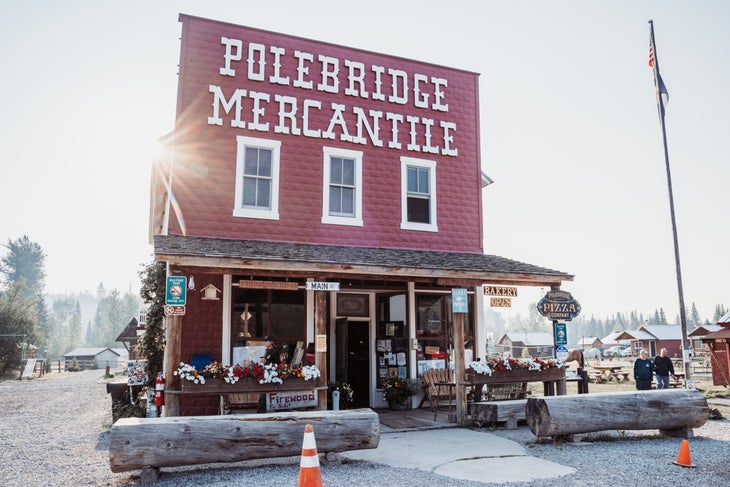
Built in 1914, the off-grid Polebridge Mercantile and Bakery is dubbed “the North Fork’s Last Best Outpost.” Affectionately known as “The Merc,” it’s famous for its scratch-made pastries. Polebridge is an excellent jumping-off point for exploring Glacier’s quieter northwest corner, Bowman Lake, a crystal-clear lake perfect for kayaking, a chilly dip, fishing, and enjoying a scenic picnic. More remote, Kintla Lake is prime for shoreline hiking and fishing.
Explore miles of dirt roads by ATV or mountain bike in the nearby Flathead National Forest. Go for a gravel adventure pedaling on the Inside North Fork Road. Rent gear at The Merc to paddle the North Fork of the Flathead River or cast a line in the river known for its world-class, rugged fishing.
Why It Stays Cool: Polebridge’s northern latitude, mountain topography, and dry air create some of Montana’s biggest day-to-night temperature swings. August highs typically top out in the upper 70s, while overnight lows often dip into the upper 30s. Cold mountain air draining into the North Fork Flathead River valley keeps mornings chilly, even after warm summer afternoons.
Where to Eat: The Merc of course. Beyond the pastries, they also have sandwiches and pizzas. End the day with classic tavern food and cold beer at Northern Lights Saloon. Just a few miles away, Home Ranch Bottoms has barbecue, homemade pies, and live music.
Where to Stay: Stay in one of Polebridge Mercantile’s rustic cabins, or book Thunderbird Ridge Cabins for a classic North Fork experience.
Port Angeles, WA
August average temperatures: High 69, Low 52
Olympic National Park was my 50th national park, and Port Angeles was the perfect basecamp, especially on a solo trip in late May 2026. Here I explored one of America’s most diverse landscapes with alpine peaks, old-growth rainforest, glacier-fed lakes, and rugged Pacific coastline.
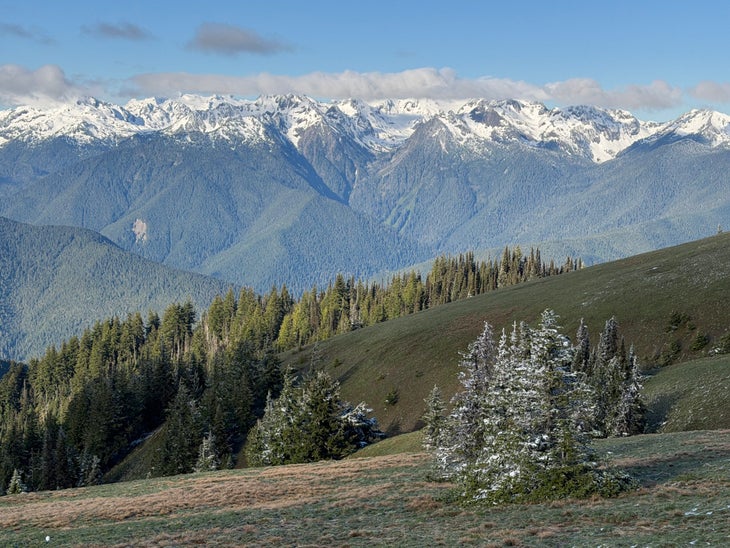
Start early with the scenic 17-mile drive to Hurricane Ridge. On my sunrise drive, I spotted a black bear before reaching the summit, where a dusting of overnight snow blanketed the ridge in early summer. From there I did the 2.5-hour drive to Hoh Rain Forest, stopping to enjoy the crystal-clear waters of Lake Crescent and wishing I had time for a water adventure.
In the Hoh Rain Forest, I hiked the Hall of Mosses Trail. It was a bit crowded at first, but that quickly changed as I got deeper into the old-growth conifers of towering Sitka Spruce and Western Hemlock covered in ferns and mosses. From the Hoh Rain Forest, it’s about 2 hours back to Port Angeles. If time allows, also add hiking to Sol Duc Falls or head to Rialto Beach to see sea stacks and tide pools.
Back in Port Angeles, paddle in the Strait of Juan de Fuca on a sea kayaking tour, look for humpbacks or orcas on a whale watching cruise, or explore the three-mile Ediz Hook. It’s one of the Pacific Northwest’s best spots for birdwatching and tidepooling.
Why It Stays Cool: Cold Pacific currents help keep summer temperatures in the upper 60s and low 70s, while nights cool into the lower 50s. Port Angeles sits in the Olympic Rain Shadow. As Pacific storms move over the Olympic Mountains, they drop most of their moisture on the western slope, or windward side, before descending in Port Angeles as warmer, drier air on the leeward side creates sunnier conditions than much of the rest of the peninsula.
Where to Eat: Enjoy waterfront seafood and Strait views at Downriggers on the Water or elevated pub fare at Next Door Gastropub. Locals swear by Yodelin Broth Company for ramen and chowder. Granny’s Café is a must stop before or after hiking in Hoh Rain Forest. For low-key American comfort food, eat at Jazzy Joshua’s.
Where to Stay: On my solo trip, I stayed at Super 8 by Wyndham Port Angeles and ate at Jazzy Joshua’s next door for a simple basecamp for my early dawn drive up Hurricane Ridge. If you prefer to be closer to the water, Red Lion Hotel Port Angeles Harbor has rooms overlooking the Strait of Juan de Fuca.
Tongass National Forest, Alaska
August Average Temperatures: High 62, Low 51
If there were ever a place designed to escape summer’s heat, it’s Alaska’s Tongass National Forest. Covering nearly 17 million acres including Sitka and Juneau, it’s America’s largest national forest. I explored it aboard the Mist Cove, one of the expedition vessels operated by The Boat Company, the world’s only nonprofit cruise line. I found it to truly be the best way to fully experience the Tongass. The organization has reinvested more than $30 million into protecting and preserving the Tongass, making every voyage part of a larger conservation story.
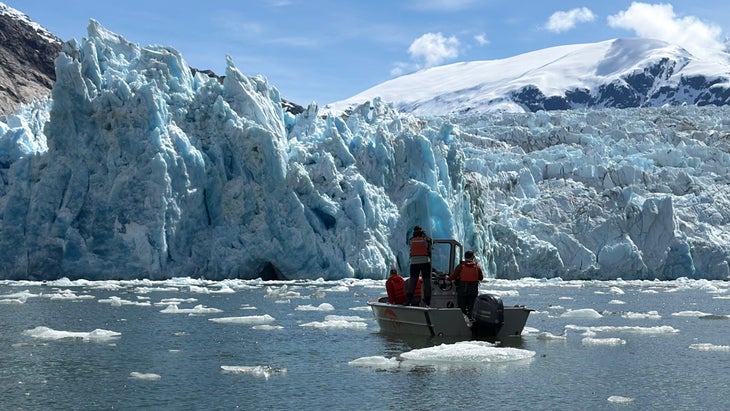
Unlike traditional cruises, there are no fixed itineraries. The weather, tides, and wildlife determine which picturesque cove or sheltered bay you’ll call home each night. One morning I went kayaking in a secluded cove where a beaver was enjoying a freshwater waterfall before swimming into the saltwater. Another began by pulling a shrimp pot I had dropped the evening before, followed by watching humpback whales from our skiff. I hiked beneath towering spruce and hemlock draped in ferns and moss in the world’s largest temperate rainforest. You can fish both freshwater streams and saltwater fjords. We even watched multiple bears before riding in skiffs to within a quarter of a mile of Dawes Glacier for one of the most spectacular glacier-calving displays I’ve ever witnessed.
Why It Stays Cool: Even with nearly 18 hours of daylight around the summer solstice, the Tongass stays refreshingly cool thanks to the Gulf of Alaska and Pacific Ocean. Cold ocean currents, persistent marine air trapping cool, moist air near the ocean surface, frequent cloud cover, and rain keep summer highs in the upper 50s to low 60s.
Where to Eat: Every meal is served in the Mist Cove’s dining room, where panoramic windows make it feel more like an observation deck than a restaurant. Fresh Alaskan seafood, locally sourced ingredients, and ever-changing Tongass scenery and weather compete for your attention.
Where to Stay: With just 12 cabins accommodating a maximum of 24 guests, the Mist Cove feels more like a wilderness lodge than a cruise ship. Every chilly morning brings a different view of the Tongass because nature, not an itinerary, decides where you’ll wake up.
Final Thoughts: Seeking Adventure in Cooler Places
As a longtime meteorologist, I know summer heat isn’t going away. But as a lifelong adventurer, I’ve learned you don’t have to surrender to it. Sometimes the best way to beat the heat isn’t staying in the air conditioning. It’s heading to places where mountains, lakes, forests, and oceans remind you summer can have a cool side. Plus, all of these places make fantastic fall getaways if you can’t make it before the seasons change.
Jennifer Broome is a veteran television meteorologist who’s spent more than 30 years forecasting and reporting weather including historic blizzards, 1000-year floods, and hurricanes. She also chases wild places. She’s visited all 50 states at least twice, 63 countries, and is currently on a quest to visit all 433 National Park Service sites. She’s always forecasting adventure, no matter what the weather.
The post I’ve Forecast Extreme Weather for 30 Years. These Are My Top Adventure Towns for Escaping the Heat. appeared first on Outside Online.
About The Author