Surefire Ways to Beat Jet Lag, According to Elite Athletes
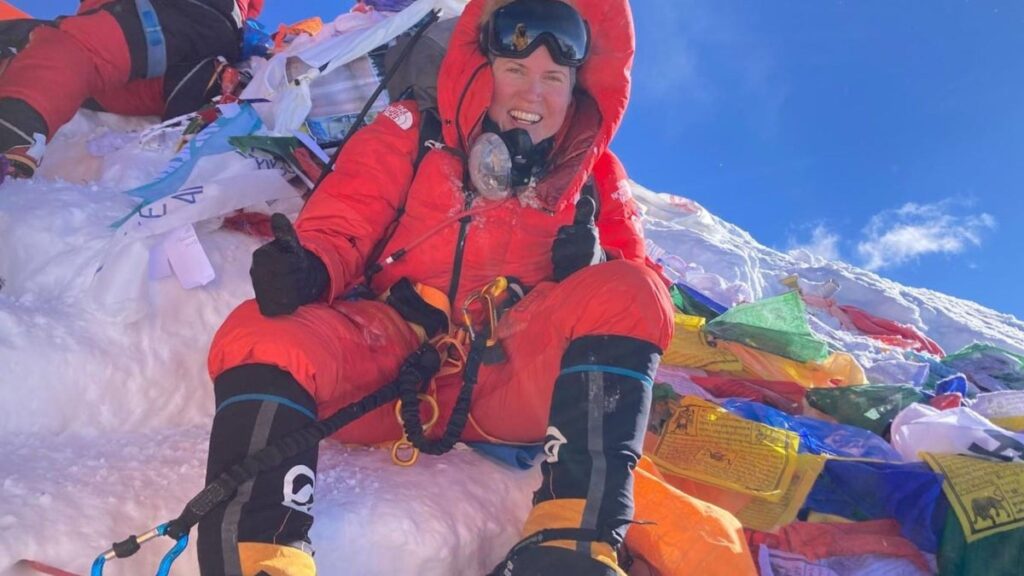
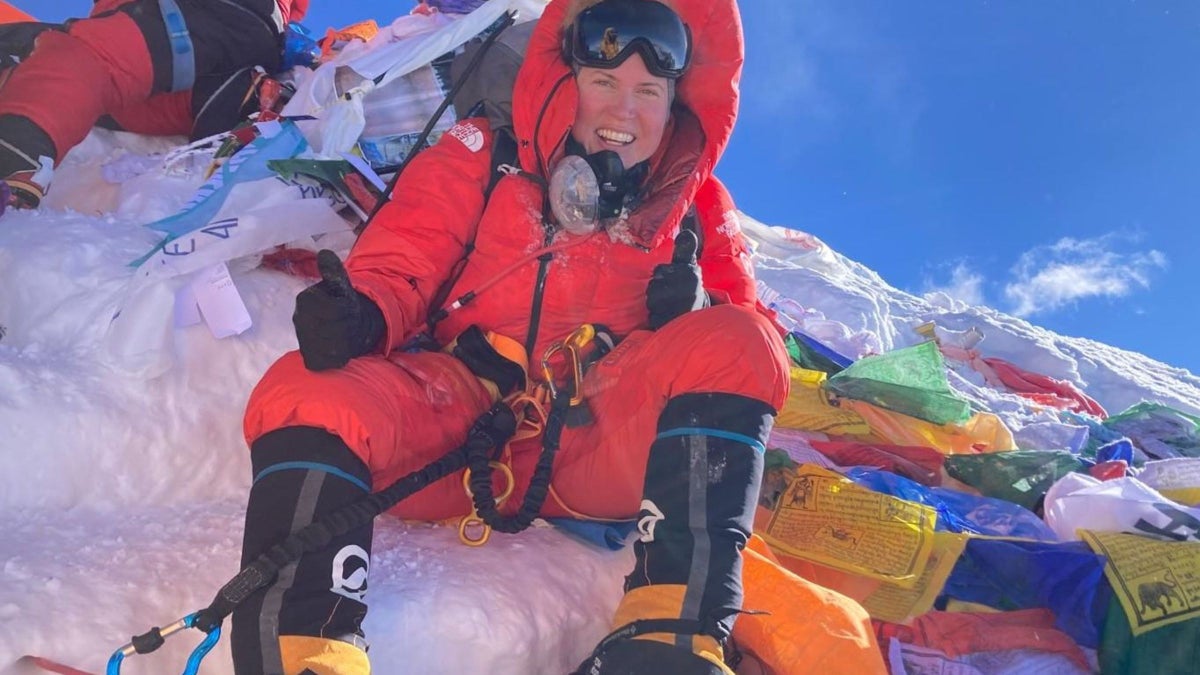
Imagine not only enduring a long-haul flight, but then having to compete physically soon after you land. Top athletes have no time for jet lag symptoms, such as extreme fatigue, headaches, insomnia and gastrointestinal issues. They have more important things to do, like scaling mountains or qualifying for the Olympics.
Two recent research reviews focusing on how jet lag impacts athletic performance outline how jumping three or more time zones during extended east- or westbound travel disrupts the body’s internal clock. Current Sleep Medicine Reports says transatlantic travel exposes athletes to stressors like prolonged inactivity and dehydration, which not only affect sleep patterns and quality but can also impair an elite athlete’s cognitive and physical performance with symptoms including trouble concentrating, disorientation, light-headedness and irritability.
The journal Sports also found jet lag can disrupt athletes’ physiological, circadian, and performance systems. Athletes might experience hormonal and mood shifts, blood pressure or heart rate changes, and cognitive impairment that can affect strength, coordination, reaction time and velocity—any of which could impede high-performance outcomes.
From sleep scheduling and strategic exposure to light and dark to proper nutrition and hydration, four top competitors, including a high-altitude mountaineer and an ultramarathon runner, share with Outside how they beat jet lag and stay on their game while traveling.
Arrive in Advance and Prioritize Routine
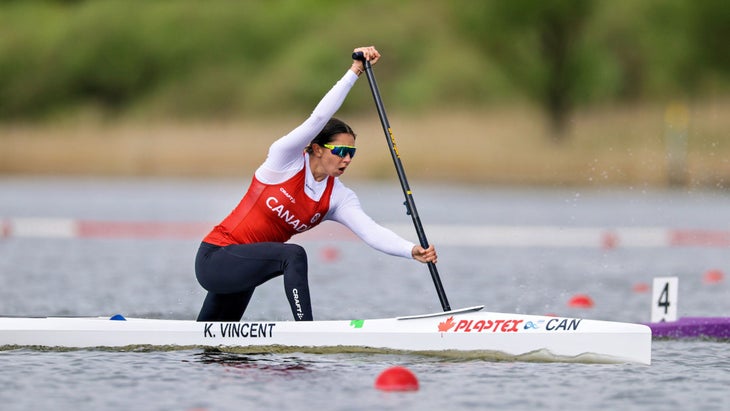
Athlete: Katie Vincent, Two-time Olympic Sprint Canoe Medalist
Long before she plunges her paddle into the water, two-time Olympic sprint canoe medalist Katie Vincent prepares for international competitions by following a detailed protocol.
“Having a plan helps the transition,” Vincent tells Outside, having competed across Europe, Asia and South America. “The ideal situation would be to go a week or two early, have a full prep camp and slowly get over jet lag. But even with three to five days, you can at least get enough sleep, get into your routine and start competing.”
During flights, Vincent wears compression socks, a sleep mask, and earplugs, and prefers a window seat where she can curl her 5-foot-9 frame into a comfortable sleeping position. Upon arrival the next morning, she drinks two cups of coffee and aims to stay awake all day, i.e. no naps. The next few days are spent waking up, training, and going to bed at her regular time. She avoids napping and takes melatonin as needed to help her sleep.
“By day four, we’re adjusted, which is crucial as our nervous systems need to be regulated to produce the best performances on the water,” explains Vincent, who also tracks her sleep patterns on a Garmin watch.
“Most athletes on my team use their watch to gauge sleep quality. But everyone’s different; some can fall asleep in an instant, and others need more time to fall into the rhythm. There’s no one way to handle jet lag, but there are ways to navigate it.”
Practice Sleep Banking and Eat Familiar Food
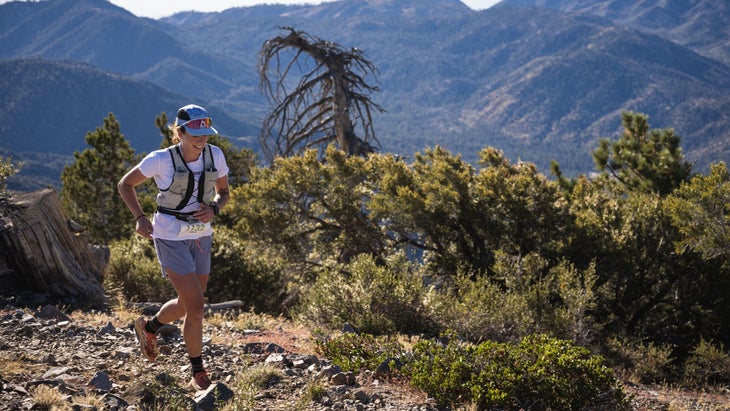
Athlete: Corrine Malcolm, Professional Ultrarunner and Former U.S. Biathlon National Team Member
As a professional ultrarunner, former U.S. Biathlon National Team member, and a Carmichael Training Systems (CTS)-certified endurance sports coach, Corrine Malcolm has clocked countless hours in the air to run 100-mile races in Asia, Europe, Australia, and New Zealand.
“Jet lag impacts more than your ability to sleep or feel awake—there are hydration components, thermal regulation, and GI distress,” Malcolm tells Outside. She is based in Leavenworth, Washington, and hosts Trail Society, a podcast about trail running.
In the days leading up to a flight, Malcolm practices sleep banking—going to bed earlier and staying in bed longer to shore up resilience in anticipation of sleep loss.
“When you’re racing 100-plus miles, coming in with a lot of sleep banked can be important for feeling good,” she explains. “You’re also trying to move your circadian rhythm closer to the time zone you’re moving to. It takes a whole day for every time zone over three hours you’re crossing eastward versus a half-day adjustment going westward.”
Smart long-haul flying starts when booking your ticket; Malcolm opts for evening flights that head directly to her destination.
“You’ll sleep more readily on a ten-hour [direct] flight, versus flying from Seattle to Newark, and then to Geneva,” she says.
Malcolm brings her own food so she can eat quickly and get sleep-ready with noise-canceling headphones, compression socks, and an eye mask.
“Getting the biggest chunk of sleep possible goes a long way in managing how you feel on the ground. I also make sure I’m getting good morning light and eating familiar foods,” she says, noting that high-protein meals boost arousal while high-carbohydrate foods increase drowsiness.
“Control what you can control. Fixating on things that are out of your control will keep you up at 2 A.M. when you’re trying desperately to sleep. I always remind athletes: One bad night of sleep isn’t ideal, but focus on how you’ve been taking care of yourself for the last couple of weeks.”
Do What Feels Natural and Take Power Naps
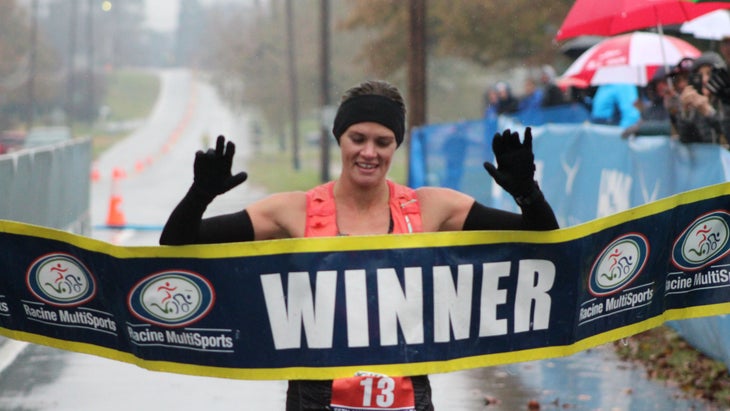
Athlete: Emily Harrison Torrence, Ultramarathon Runner
“Some people I know start adjusting to a schedule ahead of time; I do not,” Emily Harrison Torrence, an ultramarathoner in Rapid City, South Dakota, tells Outside. She is also the co-owner of Sundog Running, which coaches athletes training for ultramarathons, endurance sports, and trail running.
“I try to nap on the plane, but I let that happen naturally, because it’s hard to know exactly what time zone you’re in when you’re in the air.”
Torrence packs lots of snacks for the plane: protein, healthy fat, nothing too sugary.
“It’s not uncommon for athletes, myself included, to have food allergies or food sensitivities, and sometimes the meals served on planes may not be too friendly, so make sure you’re prepared to be self-sustainable,” she suggests. “On international flights—before, during, and once you land—always have fluids on you. Plain water is great, but adding electrolytes is also good. Travel is dehydrating, and that can affect your performance and how you adjust to the new time zone.”
Once Torrence lands, she tries to adapt to her new time schedule but doesn’t overthink it.
“It depends on how long I’m going to be there; if I’m just flying in for a race a couple of days ahead of time, I’ll nap if I need to when I land, but just for 20 minutes— avoid passing out for three or four hours,” she says. “Good nutrition and staying well hydrated will help you offset that sleep deficit as you’re adjusting.”
Tap Into Technology and Stay Hydrated
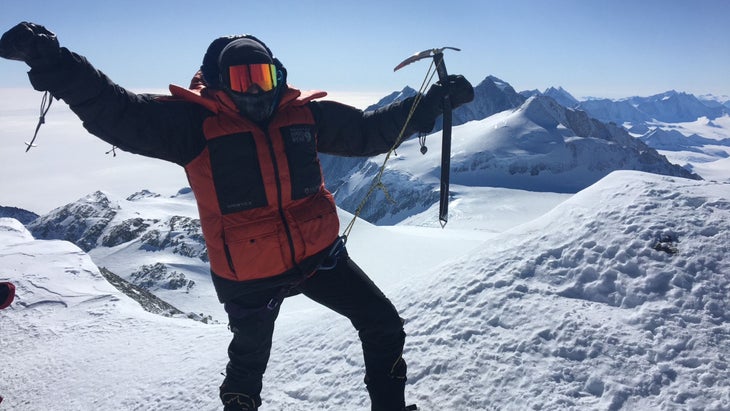
Athlete: Megan Rath, High-Altitude Mountaineer
Megan Rath, a triathlete-turned-mountaineer in Philadelphia who has scaled the Seven Summits—the highest mountain peaks on every continent—likes to add new methods to her mix of jet-lag-busting tricks. So, when she read about Timeshifter, a science-based circadian rhythm app, she was eager to learn more.
The app uses circadian neuroscience algorithms to create a custom schedule that slowly resets your body’s clock before, during, and after travel. After entering your sleep habits, age, sex, caffeine or melatonin usage, and flight itinerary, the app generates a personalized plan that sends you prompts to wake up, get bright light or none at all, drink coffee, and sleep.
“It’s all about light control—when you’re seeing light, when you’re not—and that mindset shift was a game changer,” Rath tells Outside. When climbing Lhotse, the world’s fourth-highest mountain, last spring, the mountaineer followed her Timeshifter plan.
“It’s a funky time change of nine hours and 45 minutes, plus flying from Newark to Istanbul and Istanbul to Kathmandu—essentially two red-eyes in a row—so it was tough trying to time when I’m putting my sunglasses on at the airport to start signaling my time to sleep,” recalls Rath.
“By the time I got to Mera, where they drop you off in the middle of nowhere, I felt pretty good. I’ve never felt this good on an 8,000-meter climb, and I was very dialed in with my preparation, including the hypoxic tent so I wouldn’t have to spend as much time on the mountain.”
Powered by a generator that reduces the oxygen concentration, hypoxic tents simulate higher altitude to allow the body to acclimatize before a climb. In addition to the tent, Rath prepares for rigorous treks by being laser-focused on hydration.
“If you’re drinking two liters at sea level, you’re drinking four at altitude, no exceptions, because your body is working that much harder. It’s dried out, and water needs to get to your cells; otherwise you’ve got headaches and cramping,” she explains.
“Everything I do is measured. I know exactly how much I’ve had to drink and when I’m drinking it. You don’t want to just guzzle water, because your body doesn’t have a chance to absorb it. They tell you to drink three or four sips every 15 minutes.”
Rath also limits sugar and avoids alcohol, which can increase dehydration due to its diuretic effects while also decreasing sleep quality.
With smart tools, proper nutrition, and customized schedules, you can optimize performance instead of crashing in a jet-lagged stupor.
Before learning how to navigate jet lag symptoms, Montreal-based Wendy Helfenbaum
fell asleep at inappropriate times all over the world, including in the middle of a loud
gymnastics event in Cardiff, Wales and on a ferry to Corfu, Greece while passengers
heaved all around her. Wendy’s work has appeared in USA Today, BBC, Hotels Above Par,
RANGE, AARP and more.
The post Surefire Ways to Beat Jet Lag, According to Elite Athletes appeared first on Outside Online.
About The Author