Here Is What an After-Dinner Walk Actually Does to Your Sleep, According to a Board-Certified Doctor


Here’s a scenario many of us know too well: we eat a plate the size of a hubcap, then lose a fight with the couch by halftime. That slump has a name: postprandial somnolence, or what some people call a “food coma,” and it has a real biological basis.
As Outside previously reported, the smart move after a big dinner is a short, easy walk or “fart walk,” which helps food move through the digestive system—and may also help you get a good night’s rest.
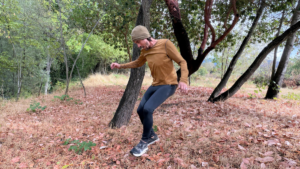
I’m a board-certified internal medicine doctor; here’s how a walk, whether you decide to take a walk on your favorite trail or hit the treadmill, after a good meal may induce sleep.
What Causes a Food Coma?
Growing up, I was told that a big meal makes you sleepy because your stomach steals blood from your brain to digest the food. While digestion does pull extra blood to the gut, the brain guards its own supply closely, so blood flow isn’t the main reason you’re getting tired. Scientists now think a food coma results from several things piling up at once.
In lab studies, people got drowsier in the hours after eating, even when researchers accounted for the time of day and whatever was on the plate. Your internal clock dips in the early afternoon whether you eat or not, reducing performance. Sleep loss at night adds to the drowsiness, and so does a glass or two of wine. In experiments in mice, signals from a full stomach travel up the vagus nerve, a long nerve running from the brain to the gut, and switch on calming brain cells. Whether the same thing happens in people is still unknown.
What we do know is that some of the slump is out of your hands, but not all of it. How much you sleep, how much you drink, and what you do after you finish eating also matter. That’s where a walk can help.
The Case for Taking a Walk After a Meal
The clearest evidence that walking after eating can be beneficial to digestion is seen in its effect on blood sugar. Getting moving right after a meal blunts the post-meal glucose spike better than sitting or exercising before you eat, and the sooner you start, the bigger the effect. Researchers think working muscles soak up sugar from the blood, and since most people sit after dinner, an evening walk may do the most good.
In healthy adults, eating more sugar and refined carbs has been tied to more nighttime stirring and lighter sleep. Among 18-year-olds, days with bigger glucose swings were followed by slightly shorter sleep. Adults who are overweight or those with obesity at risk for type 2 diabetes showed something similar: bigger daytime glucose swings were followed by earlier waking that night, and higher average glucose was tied to less efficient sleep.
How a Walk Can Prep Your Brain for Sleep
Walking’s effects on sleep are promising but modest. A 2026 meta-analysis found that walking lengthened total sleep and cut time spent awake during the night, though it didn’t help people fall asleep faster, and it’s important to note that most trials tested daytime walking. A prevailing pattern was that sessions of 30 minutes or more showed clearer benefits for how well people felt they slept, so a longer walk might be the move.
A review article from the American Heart Association says that exercise is a zeitgeber, a cue that helps set the body clock. According to the review, physical activity generally improves sleep no matter what time of day you do it, and regular moderate-to-vigorous activity can strengthen the body’s daily rhythms.
The one wrinkle is timing. In a study of nearly 15,000 people wearing activity trackers, light or moderate exercise that wrapped up about two hours before bed wasn’t linked to worse sleep. Hard workouts late in the evening were. The easiest way to build in that buffer is to move dinner up. Eating earlier gives you room for the walk and leaves a longer gap before bed, which a large population study linked to better sleep quality.
Time your walk with sunset, and you may get a bonus: the fading light could help cue your body for sleep. As the sun goes down, the light reaching your eyes gets dimmer and less blue. Light-sensing cells in your eyes report that change to your brain’s master clock, which starts preparing to release melatonin and shift you toward sleep.
The Best Way to Take a Walk After Dinner
An after-dinner walk works best when it’s short, easy, and starts soon after you eat. Here are a few ways to get the most from it:
- Keep it gentle. Hard exercise close to bedtime can keep the nervous system revved. An easy pace gives your nervous system a better chance to settle into rest mode by bedtime.
- Go soon after eating. Start walking within 30 minutes of finishing dinner.
- Adjust your walking time depending on your goal. Aim for 15 to 20 minutes for the blood glucose benefits, but 30 minutes or more at a conversational pace if you’re trying to improve your sleep.
- Skip the couch until you’re back. Sitting right after a big meal lets the slump win.
- Let others join you. Walking with a partner or friend may help you unwind mentally too, though that part hasn’t been studied for its effect on sleep.
So the next time a food coma hits, lace up instead of lying down. A short, easy walk blunts the post-meal glucose spike, and as a regular habit, it may set you up for a better night’s rest.
Want more Outside health stories? Sign up for the Bodywork newsletter. And for tips on how to train, fuel, and recover better, sign up for the Sweat Science 101 newsletter.
The post Here Is What an After-Dinner Walk Actually Does to Your Sleep, According to a Board-Certified Doctor appeared first on Outside Online.
About The Author