Even When Everything Goes Right, the Backcountry Can Turn Fatal. What College Recreation Clubs Are Doing About It.
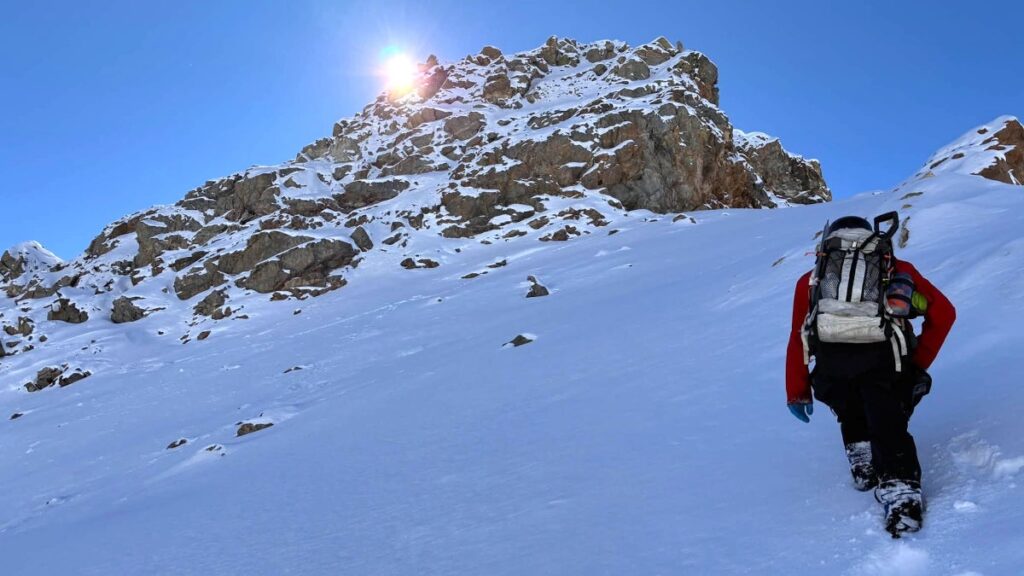
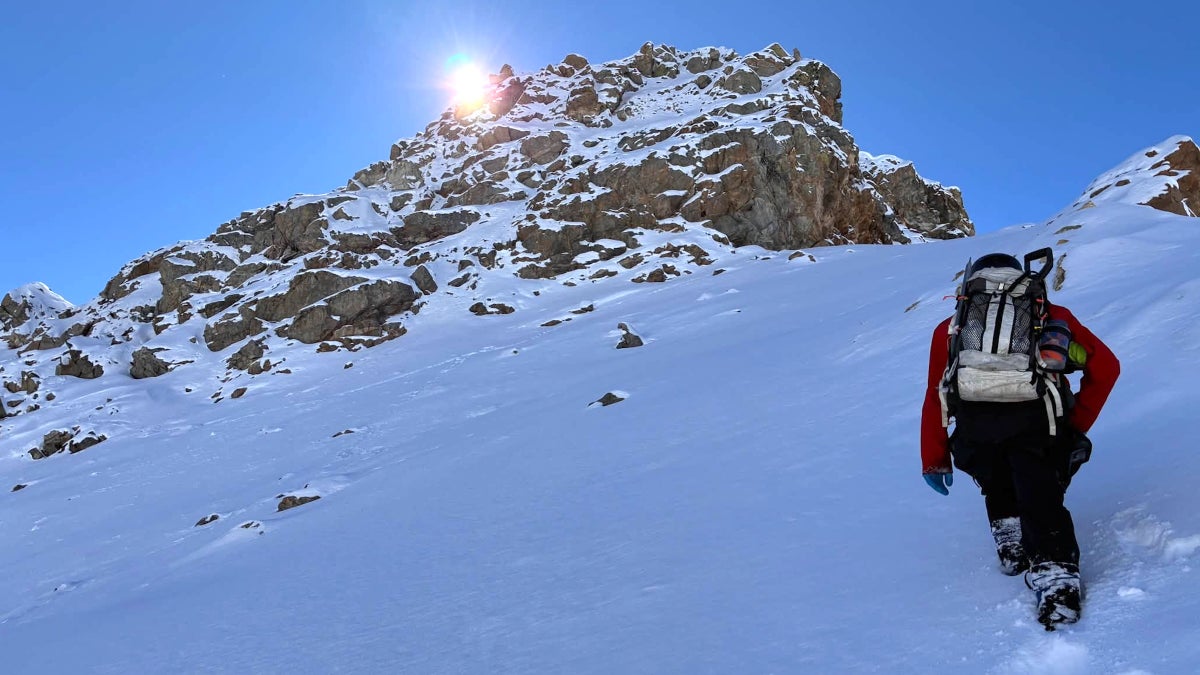
The small Colorado Mountain College community in Leadville is in mourning after two of its students—19-year-old Kaden Matsuda and 20-year-old Jackson Donlon—died in late October when their climbing anchor failed during their descent of West Apostle Mountain.
While investigators emphasized that the pair took extensive safety precautions, their deaths come amid a string of recent high-profile outdoor accidents involving college students.
A 21-year-old with the University of Cincinnati’s Mountaineering Club was found dead on October 12 after he slipped while crossing a stream during a trip in West Virginia. A 19-year-old wrestler at a California community college also fell to his death while hiking on September 20 in Yosemite National Park. In Kentucky, nine college students from Indiana and Illinois called search-and-rescue officials after they became stranded on a trail called Indian Staircase on August 15. That same month, four college students from New Jersey were rescued in New Hampshire after departing late and getting caught by nightfall. In January, a helicopter rescued three college-aged hikers from Utah’s Mount Olympus.
Andy Millick owns Sharp End Rescue, a search-and-rescue training company in northern Vermont. He told Outside that many outdoor hobbies have a learning curve—from mastering basics like what to bring or how to pack a backpack to developing map-reading and weather-monitoring skills.
“A lot of people grow up in a world that doesn’t have access to those experiences,” he said.
Younger people sometimes venture into the backcountry without adequate preparation, the proper equipment, or familiarity with the terrain, he said. They may also lack the experience and judgment to recognize and avoid unnecessary risks. As Millick noted, they don’t always fully understand the prep work that it will require.
“There’s [sometimes] a miss in all the preparation it takes to really have fun,” he said. “That’s where people start getting into trouble.”
Putting Training to the Test
On October 18, Millick helped rescue a 19-year-old hypothermic college student in the middle of the night on a remote section of the Long Trail in Vermont. The hiker was on a student-led club outing, and when trouble hit, the group acted quickly.
“[They] got him in a sleeping bag with more layers, got another student in that sleeping bag as well to share some body heat, put sleeping pads underneath him to keep him off the ground,” Millick said.
But hypothermia can advance rapidly.
“[They did] all the right things at that point,” Millick said. “Unfortunately, the tricky thing with hypothermia is once somebody starts to get cold, it takes a long time to get them warm again.”
The group contacted a faculty advisor for additional help and called 911 as the sick student went in and out of consciousness. When first responders arrived in the early morning hours, they continued warming the student with additional measures, including a heated blanket. By morning, the student had improved enough to walk out with the rescue team’s help.
Millick said it made a huge difference that the trip leader had a Wilderness First Responder certification, an 80-hour course that teaches backcountry survival skills.
“They learned so much more coming away from that and utilizing the skills that they had been taught and seeing, ‘Hey, this stuff is real, and it does work,’” he said.
Outdoor Recreation Clubs Get Students Outside
College outdoor recreation clubs expose young people to the outdoors and usually center on activities such as hiking, backpacking, or adventure sports like kayaking. Some of these, such as the hiking club at the University of Colorado, Boulder, and the Dartmouth Outing Club, are more than 100 years old. Historically, many of these groups are student-run, organized, and often have a faculty advisor.
“It’s an opportunity to introduce people to outdoor programming that maybe they’ve never been introduced to [and] to step outside their comfort zone,” Jan Hackett, who ran outdoor programs at Duke University in the late ‘90s and early 2000s, told Outside.
Hackett now owns Wilderness Education and Medicine of Texas, a company that offers wilderness education classes. Outdoor clubs let more experienced students build the skills needed to lead an outing. Proper training, Hackett says, is imperative to that leadership. At a minimum, Hackett believes a trip leader should be required to have wilderness first aid certification, which teaches individuals how to handle serious injuries or heat- and cold-related emergencies, including hypothermia.
“The instructor is probably going to mix in some stories–some real disasters–that happen to drive home the point: this is why we do this,” Hackett told Outside. “It’s about risk management, having you prepared in the event a disaster happens.”
The goal of this training is not to scare students or dampen their enthusiasm, he says, but to teach that assessing risks can help combat any feelings of invincibility that may accompany youth.
“Safety is your judgment,” Hackett said. “Even if they are 22 years old, sometimes they haven’t had as much experience, so how do [they] get some of that judgment? It’s through training.”
College Clubs Are Evolving Criteria for Safety
Zach Waksmonski, 19, is the president of the student-run Penn State Outing Club at State College, Pennsylvania. A college junior, Waksmonski told Outside that his group helps build a sense of community around a shared passion for hiking and backpacking.
It’s also taught him to be more vigilant about anticipating the unexpected.
“Even if it says that there’s no chance of rain for a given weekend, if you’re going on a backpacking trip, you’re definitely still going to want to have some sort of rain protection,” he said.
Penn State temporarily shut down the program in 2018 because it deemed it too risky. After the school faced a backlash, the club was reinstated with new safety guidelines. Now trips require a certain number of students to either be Wilderness First Aid or responder certified.
Waksmonski says some members miss activities that they could have done in the past, such as climbing expeditions. But he said the standardized tools now in place help set students up for success. For example, participants must fill out a detailed planning document that lists how they’ll manage any potential hazards, and it undergoes peer review.
“Those give us a framework where if something unexpected arises, we can more effectively deal with it,” Waksmonski said. “It goes from being a day-ruining event to a minor inconvenience.”
Students also submit post-trip reports where they can identify teachable moments. One recent example? A student wore shorts on a trail with overgrown, thorny vegetation. The takeaway: pants are advisable.
What to Do When Heading into the Backcountry
Safety and enjoyment in the outdoors come down to proper preparation. Millick advises groups to check the functionality of any equipment they’re using before setting out and to understand the terrain and weather in the area they’re targeting.
“Stuff absolutely happens, [but] it’s how you react to it in the moment,” he said.
Always tell other people about your plans, he adds, and assess the group’s knowledge base, including map-reading skills and first-aid capabilities. Millick also says to thoroughly run through what-if scenarios and develop contingency plans for being out longer than expected.
“If we run out of water, what are we going to do for a water source? Do we have the ability to treat or filter water? Millick said. “Do we have multiple ways to build a fire or heat source?”
The post Even When Everything Goes Right, the Backcountry Can Turn Fatal. What College Recreation Clubs Are Doing About It. appeared first on Outside Online.
About The Author