A Guide to Training for Your Bucket List Hike, According to Physical Therapists and Hiking Experts

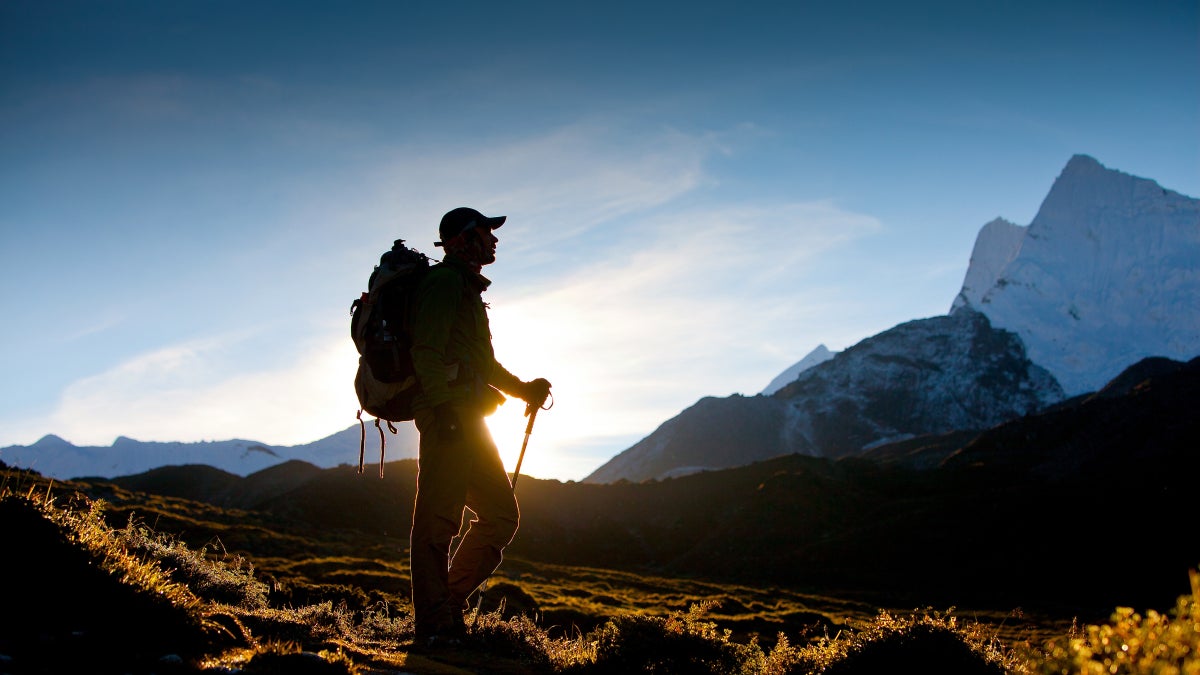
Hiking is intense. It’s even more intense for those starting out or for people who haven’t hit the trails in a while.
If you’re someone who’s new to hiking and is hoping to crush your first hike or explore multi-day hikes, you may be in for a bit of a challenge. But with the proper preparation, your dream hike may be more attainable than you think. “It’s not about surviving the trip; it’s about having fun, and the more you train for the trip, the more fun you’re going to have,” Stefan Ballek tells Outside. Ballek is the deputy operations manager for the Greater Grand Canyon branch of Wildland Trekking, a Grand Canyon guided hiking vacation company.
There’s no secret biohacking involved. The goal? Training as specifically and consistently as you can. Here’s what hiking experts and physical therapists suggest.
1. Do Your Research on the Trail
Every trail is different, and you can’t train properly without knowing what to expect in terms of factors like daily mileage, elevation gain, weather, and altitude. If you’re traveling with a guide or company, they may send you a suggested training program, which is a great resource.
2. Assess Your Baseline Fitness Level
Once you understand the demands of your hike, compare them to your current fitness level. Think about what you do for exercise now, and how applicable it is to hiking. The less experienced you are, the more time you need to train.
“Inexperienced people want to give even more, because they want to succeed without knowing how much energy and effort it takes, so they tend to push themselves [harder],” Davide Guzzardi, founder and director of Exped Tribe, tells Outside. Exped Tribe is an outdoor expedition company that offers planned trips worldwide. “That’s actually counterproductive if it’s not done step by step.”
Even acknowledging your own weather tolerance is helpful. Ballek has seen people from colder climates struggle on summer hikes in the Grand Canyon, regardless of their fitness levels.
3. Try to Simulate Your Dream Hike Where You Live
“Fitness is activity-specific,” Ballek says. The best way to practice hiking is…to go hiking. But it’s not always easy to replicate trail conditions while training, especially for urbanites. “I grew up in Chicago, so there’s literally nowhere within a ten-hour drive that you could go and get 5,000 feet a week,” Ballek says. “You would have to do so many laps on the local sled hill. You’d go nuts.”
But, as Guzzardi says, “simulate the things you can.” If your route has a lot of elevation changes, for example, take the stairs—a lot of stairs. Try finding a long set of bleachers, rather than using a Stairmaster, to make sure you train both uphill and downhill. Ideally you’ll train outside on natural surfaces to accustom yourself to the smaller stability challenges of the trail.
Emma Kennedy, a physical therapist and endurance athlete coach, thinks of designing a training program as reverse-engineering from your end goal. For a multi-day hike, that means challenging your body in similar ways for several days in a row.
Unfortunately for those at sea level, there isn’t a meaningful way to mimic the effects of altitude. You can try to increase your overall physical strain with other variables, like training in higher temperatures or carrying an even heavier load, Alicia Filley tells Outside. Filley is the founder of The Healthy Hiker—a hiking training program. Ultimately, the best strategy is to add a few extra days to your itinerary to acclimate.
4. Do Strength-Training Exercises That Work Your Arms and Legs
Score another one for the “benefits of weightlifting” list. If you’re going up a mountain, you need lower body strength. Filley recommends starting with something as basic as just spending more time on your feet. In the gym, moves like squats, lunges, step-ups and calf raises can all help you build the muscles that do most of your hiking work, while stability exercises can help you avoid injury.
The rest of your body isn’t out of the game either. If you’ll be using trekking poles or wearing a backpack, work on upper-body moves like push-ups, bench dips, and rows, plus moves like planks to strengthen your core and help you stay balanced.
5. Practice with the Gear You Plan to Use During the Hike
Pack your backpack with what you’ll be carrying on the trail (or as close as possible) and start breaking in your boots. “I always have my clients practice how they’re going to perform,” Filley says. “When you have that familiarity with your gear in the way that you’re going to use it, it gives you confidence that you’ve eliminated as many variables as you can.”
6. Try to Train Regularly—Even When You’re Not Totally Feeling It
The biggest challenge ahead of you may be just sticking to your training schedule. “Life happens,” Kennedy says. “It doesn’t have to be 100 percent compliance, but most of your steps you take toward this goal really do need to be consistent from week to week; otherwise, it gets harder to build that strength or endurance that you need.”
If you’re injured or fatigued, you don’t need to force yourself to train, but keeping your body moving with a long walk (if you can manage it) will help maintain your fitness. You might even find that your motivation returns.
7. Get Adequate Recovery
Great news: this means you get to eat and sleep more. With intense efforts, your body’s rest and nutrient demands go up, and you need to adjust accordingly. If you still feel beat up more than two days after your workout, that’s a good indicator you may be overtraining and need to back off.
8. Understand the “Why” Behind Your Hike
No matter how much training you do, at the end of the day, endurance hiking is hard, and it eventually becomes more mental than physical. Try to remember what brought you to the trail in the first place. “A lot of times when people go out and do a multi-day adventure, there’s a reason behind it,” Filley says. “To be deeply connected to your ‘why’ is going to help motivate you when you’re having a tough day.”
“Having that endurance mentality to say ‘I know that I have the strength for this’ and the grit to keep going, that’s the distinguishing factor between people who really thrive with endurance sports and people who struggle,” Kennedy says. “Being willing to accept that discomfort and trust that your body can handle it is the key benchmark to knowing that you’re ready for it.”
Want more Outside health stories? Sign up for the Bodywork newsletter.
The post A Guide to Training for Your Bucket List Hike, According to Physical Therapists and Hiking Experts appeared first on Outside Online.
About The Author