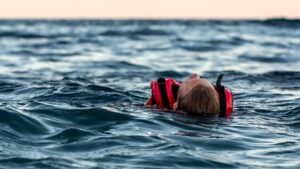
Experts Say SUP Deaths Have Quadrupled in Recent Years. The Culprit? Your Ankle Leash.
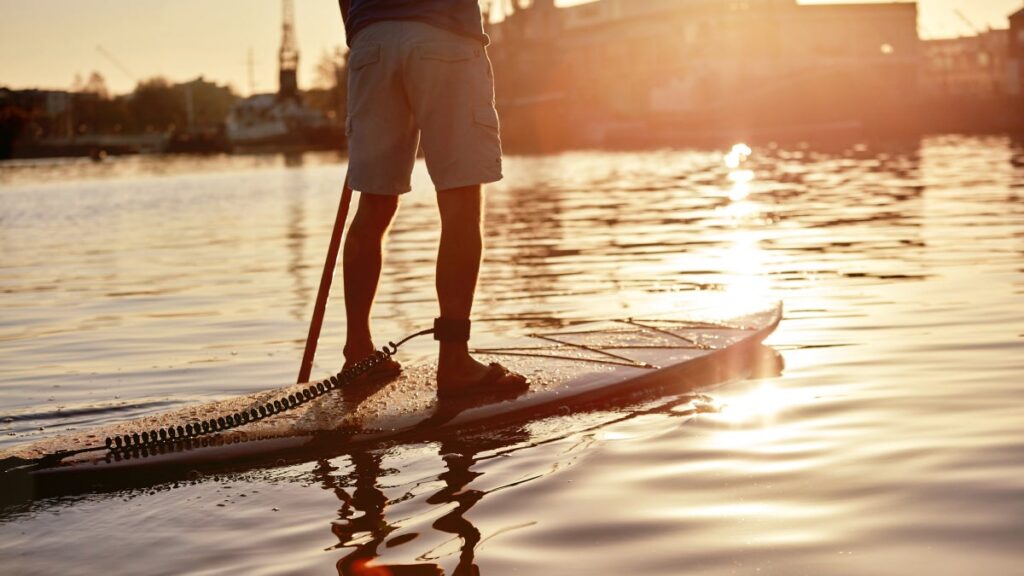
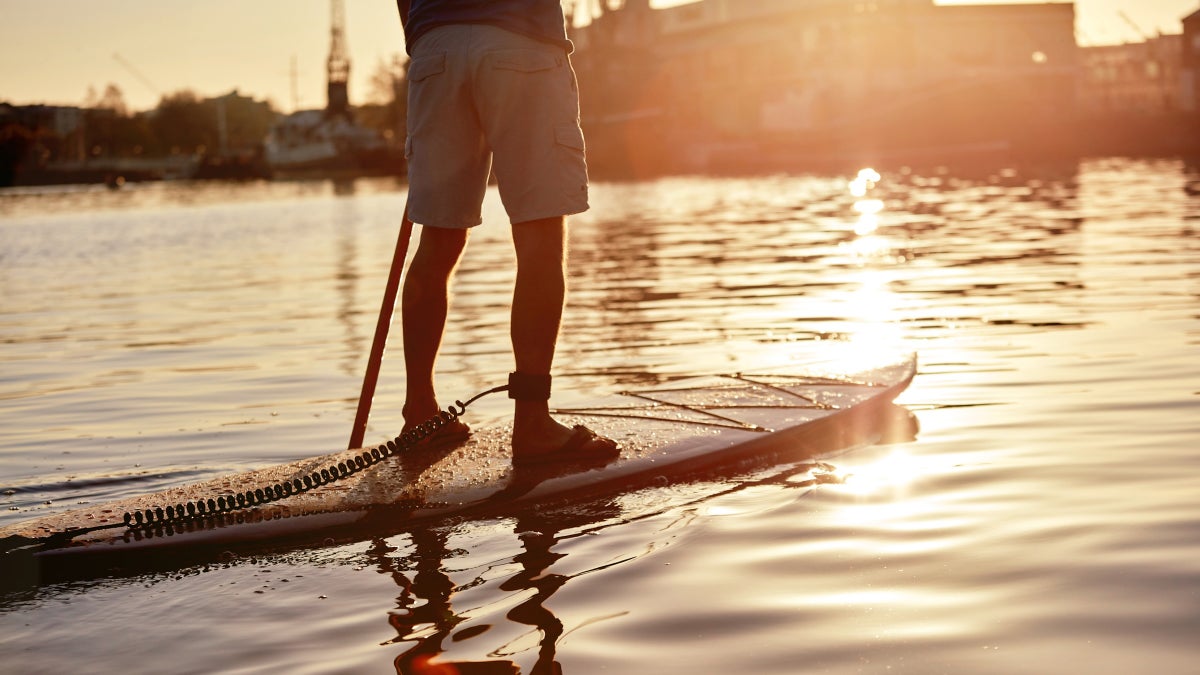
Outside Associate Editor Madison Dapcevich spoke with two whitewater experts and crunched the data to determine why more people are dying in SUP-related accidents than ever before.
In the last five years, stand-up paddleboard (SUP) deaths have quadrupled, and experts blame the board’s most prominent safety tool: the ankle leash.
Data published by American Whitewater, a nonprofit river safety organization, showed that between 2015 and 2020, there were three fatal SUP accidents involving ankle leashes. That number increased to at least 12 between 2020 and July 2026. In that same timeframe, two people died while wearing ankle leashes on a river surfboard.
In Oregon alone, there were five fatal ankle-leash SUP accidents since 2020. Now, American Whitewater is warning SUP users to avoid ankle leashes when paddling on rivers.
“Ankle leashes should never be worn in moving water, even on rivers that appear to be flat and very slow-moving, even lazy rivers,” Evan Stafford, a spokesperson for American Whitewater, told Outside. “Any type of leash can become entangled in rocks or wood debris in the river, and when ankle leashes get hung up, reaching back upstream to the ankle cuff to release it in the current is often impossible.”
Whitewater paddleboard coach and water safety campaigner Barry Hughes told Outside that store-bought SUP kits typically include ankle leashes, but manufacturers design them for lakes or the ocean, where waves move back and forth. A river, on the other hand, flows in one direction—downstream. When an ankle leash catches on a river obstacle, it can pin a person’s ankle upstream and make it nearly impossible to reach while they battle the current.
Even in slow-moving rivers, the force of water can be enormous.
“To give you an idea what it’s like in a flow of just three miles per hour: imagine trying to do a sit-up with 22 pounds of water pressure hitting you in the face and chest whilst trying to breathe, and every time you reach for your ankle, you’re pulled underwater,” Hughes said. “Now consider that on many rivers, as well as a tidal estuary, flow will be quicker than this.”
The Explosive Growth—and Hidden Danger—of River SUP
Though the practice of stand-up paddleboarding has been around for centuries, the sport first hit the American mainstream in the 1940s along Hawaii’s famous Waikiki Beach. Over the past century, the hobby has exploded, with an estimated 4 million people taking to rivers, oceans, and lakes on an inflatable, buoyant board today. According to a 2025 report published by the American Canoe Association, “stand up paddling maintained the highest outdoor activity growth rate, increasing participation an average of 26 percent” between 2022 and 2024.
As SUP popularity has increased, so too have its dangers. Wearing the right gear can separate life and death on a river.
“If you’re going to wear a leash in moving water, it should always have a quick-release or breakaway design and be attached at the waist; however, not wearing a leash at all is often the safest choice,” Stafford said. “Always wear a life jacket and seek information about hazards and the difficulty level of the river you intend to paddle board on.”
The Fatal Paddleboard Mistake Most Beginners Make on Moving Water
A quick-release belt wraps around the waist and uses a cam buckle that the paddler can release with one hand. The leash attaches to the back of the board, so if it gets stuck, they can release the cam buckle and quickly free themselves from the entanglement.
“These have automatic release systems that give you a better chance to release yourself from the board if it gets stuck,” Hughes said. “In my opinion, waist leashes should automatically come with all SUP packages. As a rule, someone buying a SUP package is a beginner, so equipping them with a waist leash is, in my opinion, the safer option.”
Always make sure the belt fits your size, with a maximum of two inches of webbing through the buckle. Barry says this makes the release quick and stops the tape from getting tangled. Practice releasing it; as always, practice makes perfect.
“Understand the water that you are paddling on and educate yourself on the risks,” Hughes said. “Is there flow, is it tidal? What is the effect of the weather, any obstructions that could lead to entrapment? You need to take responsibility for your own safety.”
Use the right equipment for the environment, and practice with it, he adds. If you’re not sure, get some training, Hughes added. Never wear an ankle leash unless you’re at the beach, and most importantly, always wear a proper-fitting and rated life jacket.
The post Experts Say SUP Deaths Have Quadrupled in Recent Years. The Culprit? Your Ankle Leash. appeared first on Outside Online.
About The Author