New Research Finds That Short Workouts, or Exercise Snacking, Are as Effective as Traditional Strength Sessions
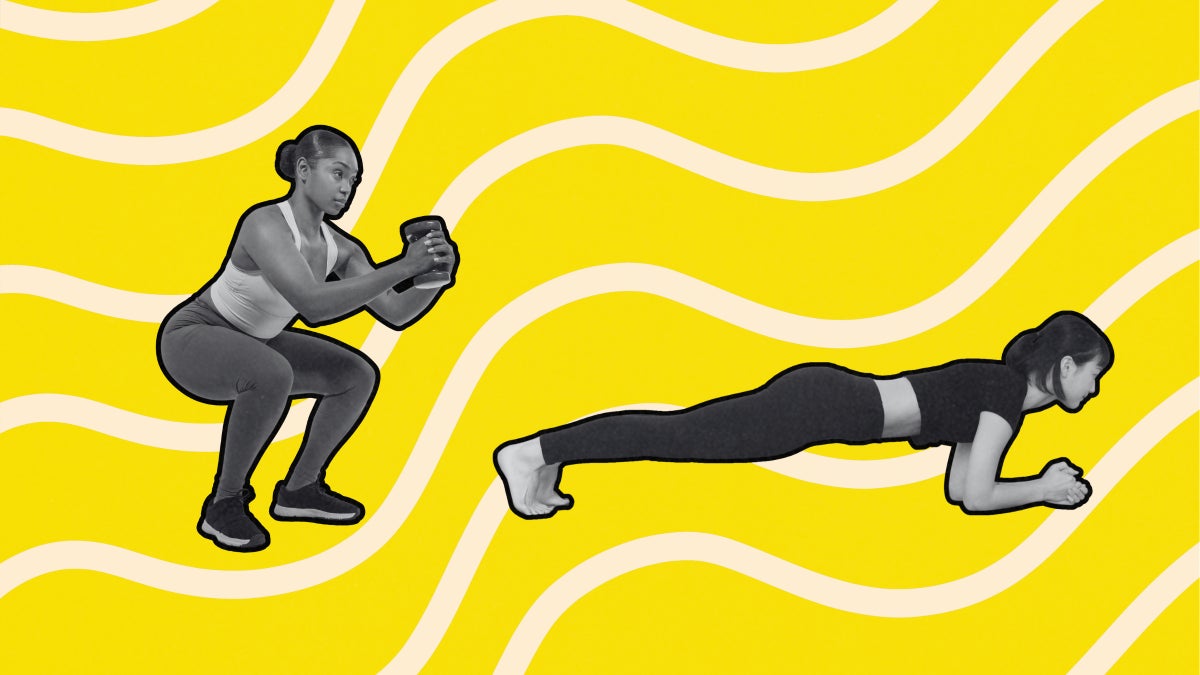
When life gets in the way, it can be tough to stick to your usual workout routine—but new research suggests you might not need to try to cram in your typical hour- or hours-long workout schedule.
The study, published in the Journal of Exercise Science and Fitness in October 2026, found that exercising in short bursts throughout the day—a practice sometimes called “exercise snacking”—can be as beneficial as one long, continuous workout. In fact, exercise snacking may be more fun for some people, which could lead them to exercise more often.
“The idea behind fragmented resistance training [or exercise snacking] is that there’s more of this feeling of autonomy when you’re achieving things on a regular basis,” Craig Pille, MD, a sports medicine physician at NYU Langone, who was not involved in the study, told Outside. “I think that changes the psychological burden of exercise.”
Here’s what to know about exercise snacking and how you can adapt it into your own workout routine, whether you’re just trying to stay fit or prep for your next outdoor adventure.
Shorter Workouts Can Help You Build Muscle Over Time
The authors of the new study recruited 45 male college students at Tongji University in Shanghai, China, for involvement in the research. The students were put into one of three groups: a traditional resistance training group, a fragmented resistance training group (the exercise snacking group), or a control group. The participants in the two resistance training groups were asked to work out three days a week for eight weeks.
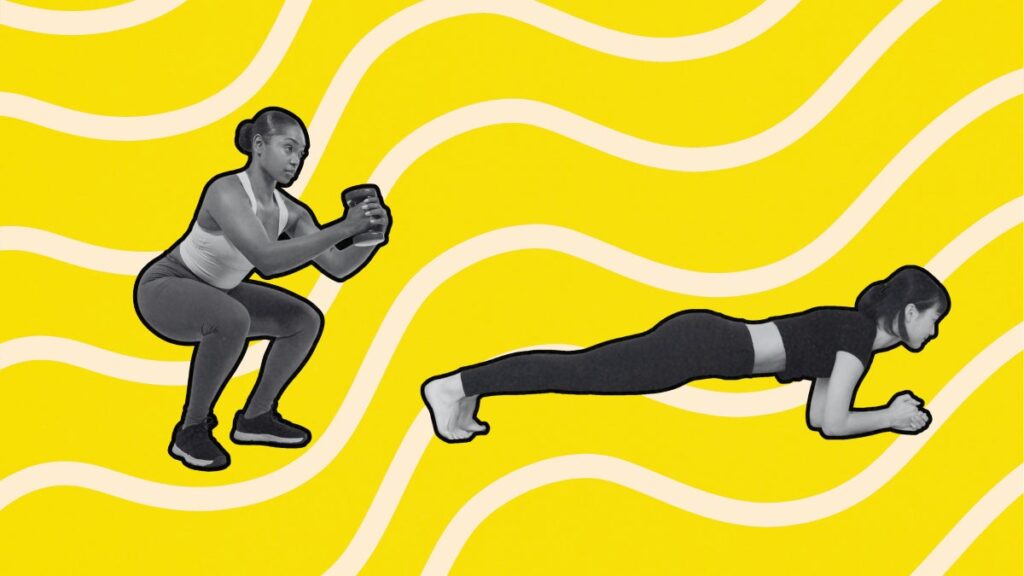
Those in the traditional resistance training group completed their workouts by doing three sets of 20 squats all in one workout session, while those in the exercise snacking group performed one set of 20 squats at three different points throughout the day; they had at least a one-hour block of time between each squat session. During their final training session, participants filled out a questionnaire asking how much they enjoyed their workouts.
“The cool thing about this study is that it shows that both groups had benefits. The results show that both [training plans] get you fairly equitable outcomes,” Dr. Pille said. In other words, both groups saw comparable improvements in muscular strength compared with those in the control group. “But the difference was in an enjoyment scale survey,” Dr. Pille continued. “The fragmented resistance training group scored a little bit higher.”
If Your Current Routine Feels Draining, Exercise Snacking May Be for You
There are a few limitations to note. “This is a pretty small sample size: 45 kids who already had some experience doing weight training,” Dr. Pille said. “Also, the authors only looked at one real test, the back squat.” The researchers also pointed out that because women weren’t included in the study, the results may not be as applicable to them.
But while we don’t have enough research to say that exercise snacking is a good solution for everyone—or even most people—it’s certainly safe to try if you’re looking for ways to fit more movement into a busy schedule, Dr. Pille said.
When you find yourself with ten minutes to spare, any kind of movement is better than no movement, he added. You could climb a few sets of stairs in between meetings to loosen up before a hike, do a set of ankle and hip mobility exercises before you head out for lunch if you’re prepping for an upcoming run, or do some lower-body sessions in short bursts during your strength training days ahead of your next bike ride.
“The idea here is what we preach all the time in sports medicine: movement is medicine. We want you to move your body,” Dr. Pille said. “Exercise snacking makes this a little more achievable for people.”
Want more Outside health stories? Sign up for the Bodywork newsletter. And for tips on how to train, fuel, and recover better, sign up for the Sweat Science 101 newsletter.
The post New Research Finds That Short Workouts, or Exercise Snacking, Are as Effective as Traditional Strength Sessions appeared first on Outside Online.
About The Author