The Feds Just Opened Public Lands to AI Data Centers—Starting Near Lake Mead
For the first time, the federal government just quietly approved a warehouse-sized AI data center on public land.
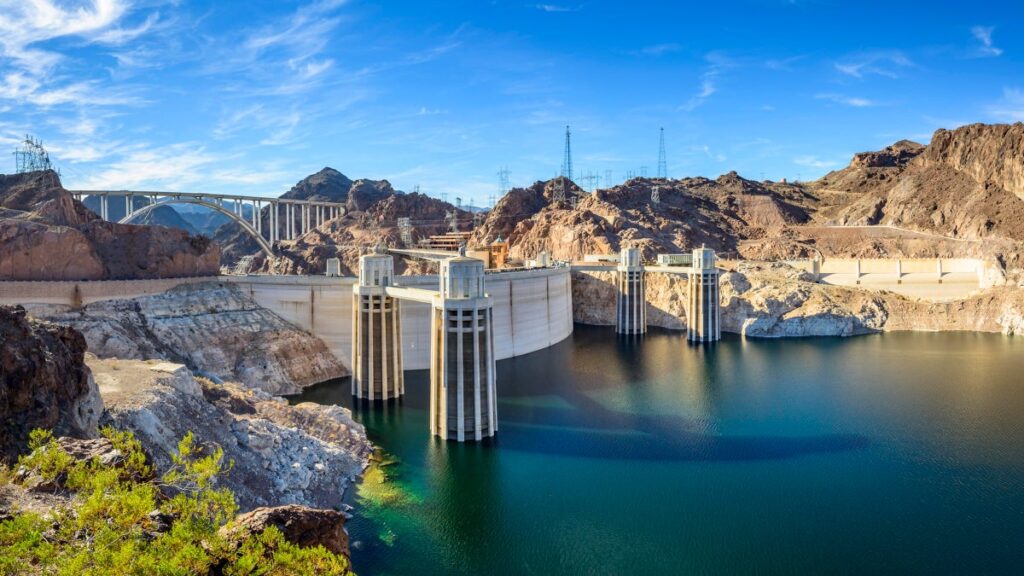
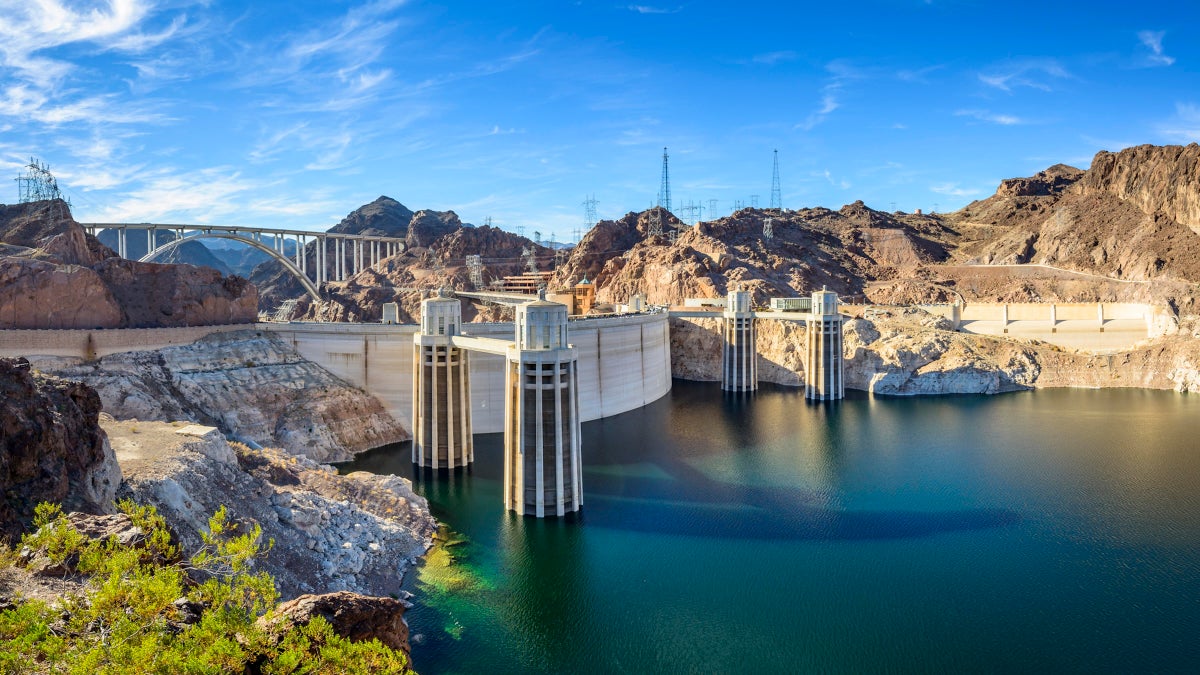
On June 26, the Bureau of Land Management (BLM) greenlit a plan by Townsite Solar 2 (TS2) to move forward with building an 86-acre facility roughly ten miles from Lake Mead National Recreation Area, one of America’s most popular National Park Service sites. Located near Boulder City, Nevada, the proposed center comes at a time when more than 95 percent of the Colorado River Basin watershed is experiencing drought and researchers are measuring water levels in Lake Mead at historic lows.
The move sets a precedent, opponents say, that could reshape America’s public lands.
“How this project is handled will have immense consequences for projects in Nevada, where approximately 88 percent of our state is public land, and the rest of the West,” U.S. House Representative Dina Titus, whose district includes Boulder City, told Outside.
Supporters argue that the project will advance America’s energy initiatives. In an email to Outside, a BLM spokesperson said the agency approved the TS2 Data Center in June to “accelerate permitting for data center infrastructure.” The decision is consistent with a 2025 Trump executive order directing federal agencies to expedite approvals for data centers, the spokesperson added.
“This project reflects the growing role of public lands in supporting the infrastructure needed to power innovation, advanced technology, and the nation’s future economic growth, while advancing the Bureau’s commitment to responsible stewardship and sustainable use of public lands for current and future generations,” a spokesperson told Outside.
What This Precedent Means for Public Lands Across the West
If built, the Townsite Data Center would cover a section of the Mojave Desert roughly the size of the Mall of America, replacing desert tortoises and yucca trees with server racks, power lines, and round-the-clock lighting.
“While the Boulder City project might be the first approved on BLM land, we know it won’t be the last,” Olivia Tanager, director of the Sierra Club’s Toiyabe Chapter, which covers Nevada and eastern California, told Outside. “We have already seen documents from other projects indicating more data centers on BLM land in the region are forthcoming.”
More broadly, Tanger says the project could help determine how BLM makes decisions on future AI infrastructure, and how much say the public has in the process.
“The precedent that this bait and switch sets, locking the public out of public land to enrich Big Tech, sets a horrible precedent for all forthcoming projects,” she said.
Data centers are large facilities that house computer servers and provide enormous computing power for technologies, including artificial intelligence. These servers run around the clock and generate significant heat, requiring large amounts of electricity and cooling. Depending on the cooling method, the facilities can consume significant quantities of water directly, or indirectly through electricity generation.
On July 27, the Sierra Club, the Center for Biological Diversity, and residents of Boulder City filed an appeal, asking federal officials to put the project on hold while they challenge its approval. These groups say such facilities strain electrical grids, increase utility costs, and compete for water, especially in areas as drought-prone as the American Southwest.
The project’s future now hinges on whether federal officials agree to postpone further development while the appeal proceeds. It’s a process that the Department of the Interior, which oversees the BLM, says could take up to two years.
The post The Feds Just Opened Public Lands to AI Data Centers—Starting Near Lake Mead appeared first on Outside Online.
About The Author