The Best National Park for Every Travel Personality
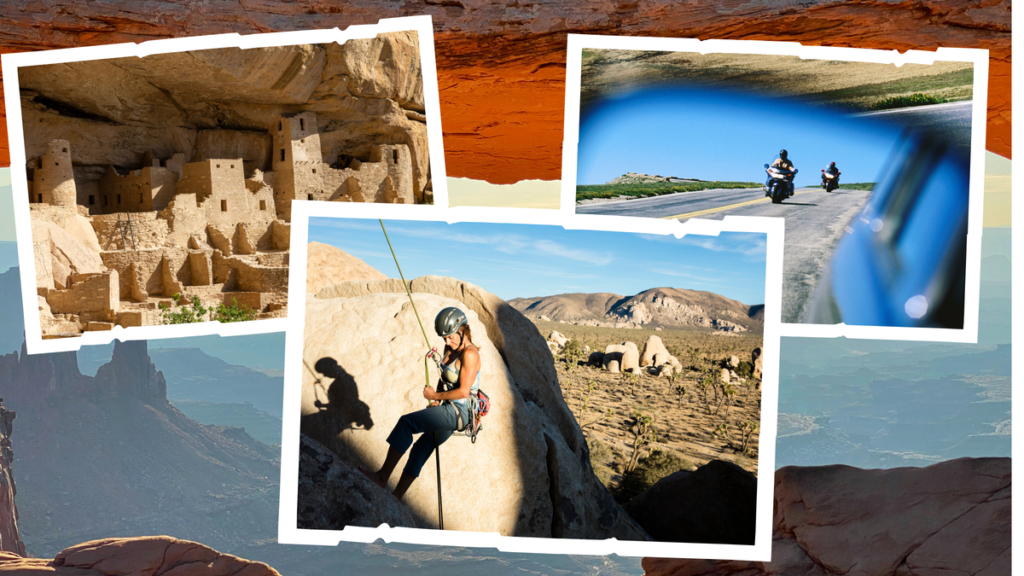
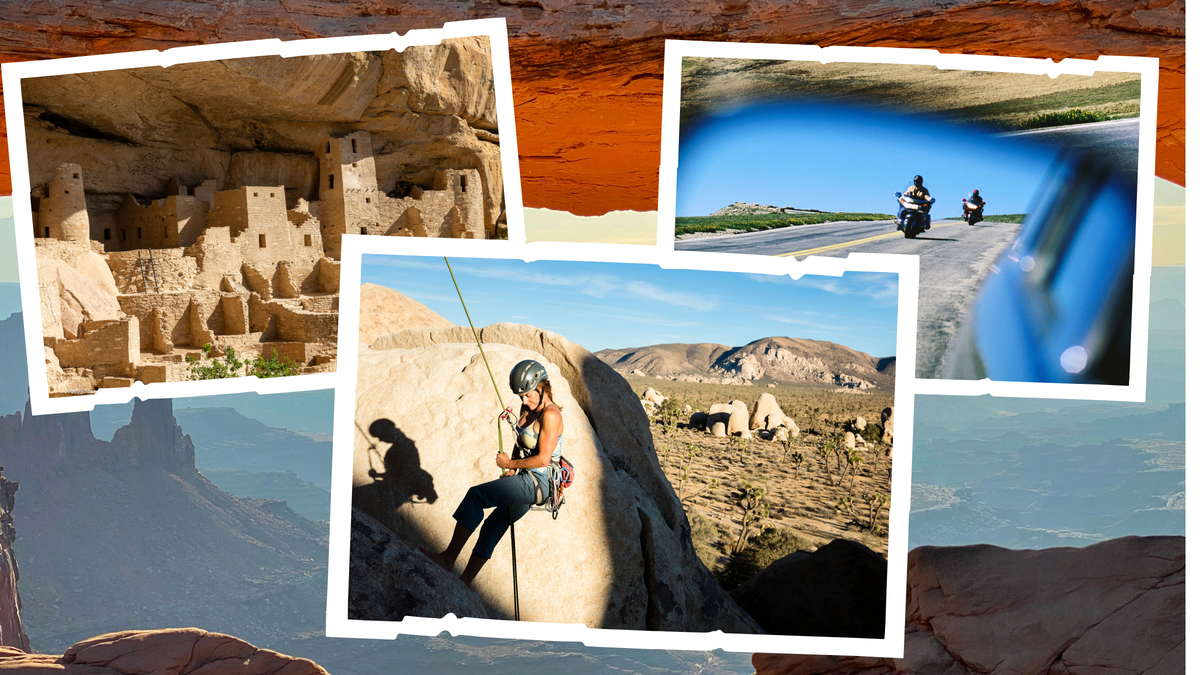
It’s National Park Week, when the country takes a beat to celebrate the landscapes that have helped define this country and our culture. Each day has a theme, from Safety Sunday to Fee Free Tuesday, but the overall vibe for the week is love. Love for the grand views, love for the staff of these parks, love for the adventures that can be had inside these special places. As Outside’s national parks columnist, naturally I revel in any situation that brings attention to the greatest collection of landscapes on the planet. And the celebratory week got me thinking about the vast and diverse nature of the park system. No two parks are the same and there seems to be an ideal destination for every type of traveler out there. So in honor of National Park Week, I’ve decided to be a match maker and introduce the perfect park for specific personality types. Whether you’re an introvert who hates crowds, or a thrill-seeker looking for a rush, I have the perfect park for you.
If You’re an Introvert Who Hates Crowds: Kobuk Valley National Park
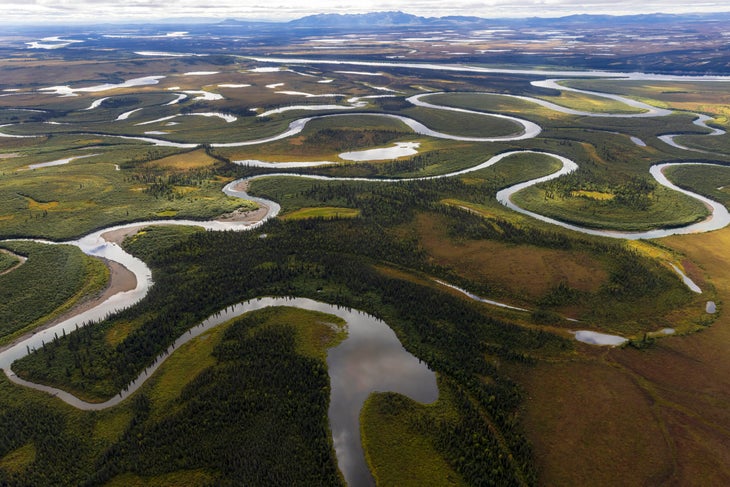
The least visited national park in the system is Alaska’s Kobuk Valley National Park, which saw just 7,700 visitors in 2025. Why? Access. No roads lead into the landscape, so you’ll need to take a propeller plane into the park. And once you’re inside the park, don’t expect to be pampered. There are no facilities whatsoever, so you’re on your own inside the two-million-acre expanse. Be prepared to traverse miles of sand dunes and see more caribou than people, but that’s what you want, right? Because caribou don’t force you to engage in small talk. Bring a packraft,]and you can float on a slice of the Kobuk River as it makes its way through the tundra, camping on sandbars along the way.
Don’t want to make the trip to Alaska? Isle Royale National Park, which protects a series of islands in Lake Michigan, only received 29,000 visitors last year, making it the least-visited national park in the lower 48. You can only access it by boat or seaplane, but there is a full-service lodge on the main island. From there, you can strike out for the interior of the island where small, inland lakes offer the chance for more solitude.
If You’re a Rugged Overlander: Canyonlands National Park
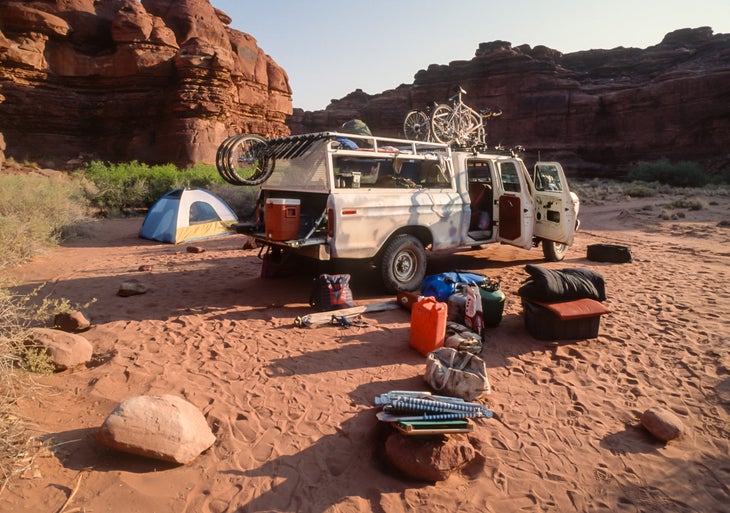
Strike out on a lonely dirt road and cover miles of backcountry terrain with everything you need to be self-sufficient in your 4WD vehicle. That’s the overlanding dream, and the dream is alive and well in Canyonlands National Park, which protects 337,000 acres of canyons, slickrock, and spires in Southeast Utah. Overlanders can explore endless miles of dirt and technical roads that traverse the park’s three distinct districts. The Needles District has rough, technical routes with plenty of rock crawling, while the Maze District has some of the most remote dirt roads in the contiguous United States. But the 100-mile White Rim Road is the classic route, traversing the park’s Island in the Sky district with cliffside, bench cut roads delivering big views of the Colorado and Green Rivers below. You’ll need an overnight permit for camping, and keep an eye out for mountain bikers who cherish the White Rim too.
If You’re a Bougie Princess or Prince: Grand Teton National Park
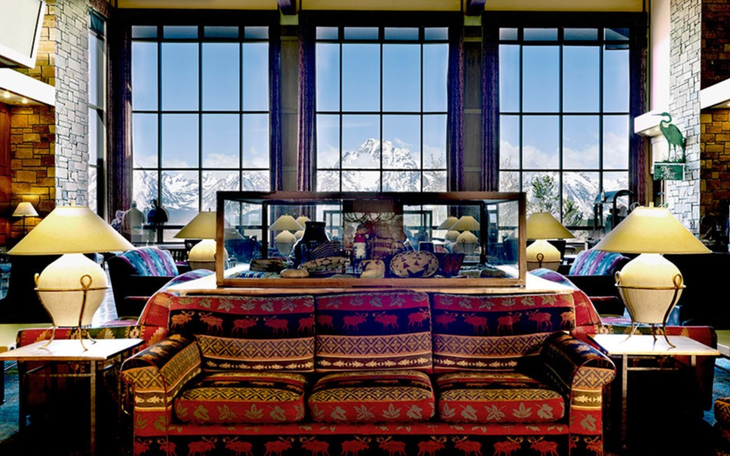
You need Egyptian cotton sheets and a post-dinner wine and chocolate pairing. There’s no shame in wanting to buffer a hard day’s adventure with a side of the finer things. Grand Teton National Park is the solution, largely because of Jackson Lake Lodge, one of only two Four-Diamond, full-service resorts inside a national park (the other is The Inn at Death Valley). The hotel operates on a historic ranch and features 28 individual log cabins adjacent to a large, communal lodge building, all within a short distance of Jenny Lake with views of the Grand Tetons on the horizon. A stay at Jenny Lake Lodge includes a daily gourmet breakfast and five-course dinner as well as afternoon lawn games on the lodge’s grand meadow. Cruiser bikes are included, as are interpretive walks and history talks. (From $1,149 a night; you can make reservations a year in advance). The location also makes it easy to drop into Jackson for a spa day or some retail therapy. No judgment here.
If You’re a Safari-Lover Looking for Big Game: Denali National Park
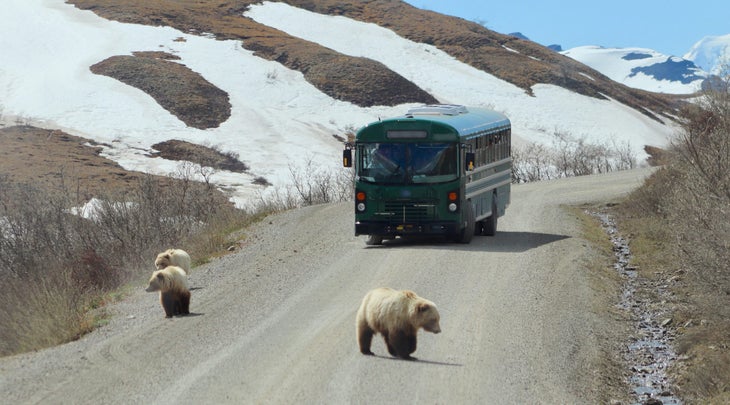
There’s wildlife, and then there’s wildlife. Denali National Park has the latter, boasting five massive species of mammals that will make you question your place on the food chain. The big one is the grizzly bear, which reach up to 600 pounds and are best seen through a telephoto lens from very, very far away. Cruising Denali Park Road at dawn or dusk gives you a good chance to see grizzlies as they tend to roam the tundra and riverbanks within view of the road. You also have the chance to see massive moose, wolves, caribou, and adorable Dall sheep, which look like something out of a storybook. The odds of seeing all “Big Five” species are slim, but that’s what makes it an admirable goal. Can’t make the trek to Alaska? Yellowstone has grizzlies, bison, elk, and elusive wolves, too.
If You Love Nature, But Only From Inside Your Climate-Controlled Car: Rocky Mountain National Park
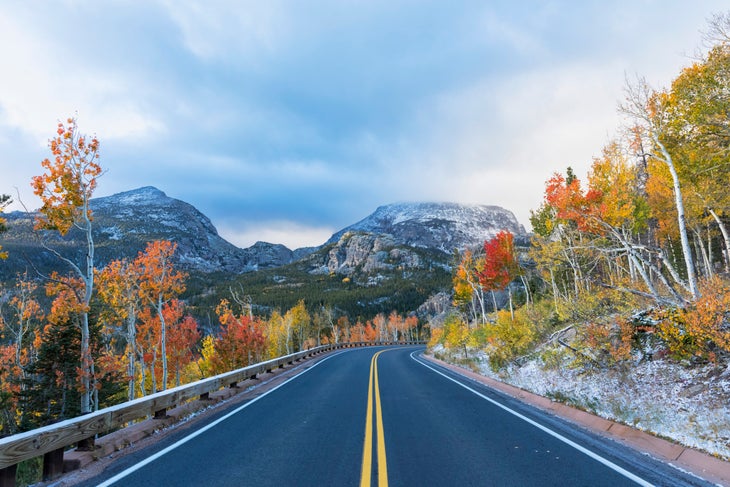
For better or worse, the infrastructure of many of our national parks was designed around the car, with scenic roads taking a priority as many of these landscapes were set aside for protection. But that means there are some amazing drives that deliver awe-inspiring views inside our parks. Trail Ridge Road, inside Rocky Mountain National Park, takes the cake in my opinion because it gives motorists a chance to experience a true high-alpine environment without breaking a sweat. One of the highest paved roads in the country, Trail Ridge Road peaks out at 12,183 feet as it makes its way across the park between the towns of Estes Park and Grand Lake. You’ll be able to cruise above the tree line for eight miles while listening to your favorite podcast and adjusting your seat warmer. Make a point to stop at the Gore Range Overlook, near the crest of the road, where you’ll enjoy long- range views of the Never Summer Mountains on the western horizon.
If You’re a Thrill-Seeker: New River Gorge National Park
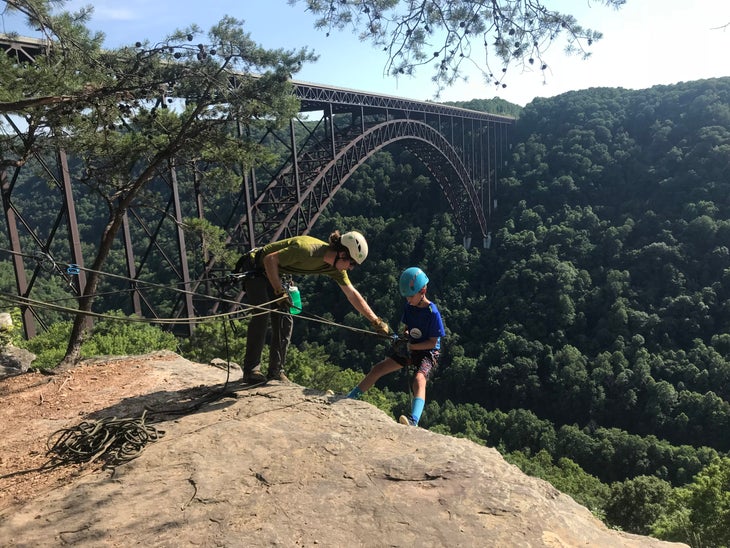
West Virginia’s New River Gorge National Park isn’t big—just 73,000 acres—but at its heart is a 1,000-foot-deep canyon that has become a multi-sport haven for the East Coast. The New, as locals call it, has 25 miles of Class IV whitewater at the bottom of the gorge, and more than 3,000 established climbing routes along its walls. It’s also one of the few national parks that allows legitimate mountain biking, with the 13-mile Arrowhead Trail system that is easily accessed from Fayetteville, the New’s main trail town. Oh, and show up in October, and you can jump off of a bridge. At 876 feet tall, the New River Gorge Bridge is the second tallest arch bridge in the world. For one day in the middle of October every year, BASE jumpers are allowed to leap from the bridge and land safely at the bottom of the gorge. It’s called Bridge Day, and it might be the ultimate celebration of adrenaline inside any of our national parks.
If You’re a History Buff: Mesa Verde National Park
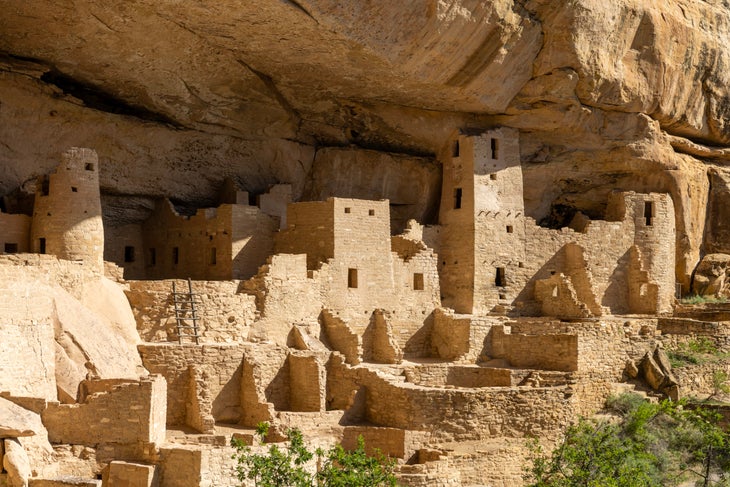
Our national parks preserve a lot of key history, from the restored Civilian Conservation Corps camps of Shenandoah National Park to the massive sculptures that commemorate the country’s founding fathers at Mount Rushmore. Colorado’s Mesa Verde takes the cake, though, protecting more than 5,000 archaeological sites of the Ancestral Puebloans that date back to AD 600, well before the dudes on Mount Rushmore started cooking. The original residents of the area spent roughly 700 years building their homes into the sides of the cliffs, and visitors to the park today can actually explore these ancient structures firsthand. You can explore two of the archeological sites on your own, Step House and Wetherill Mesa, but to really engross yourself in the history, you need to sign up for a ranger-led tour of Cliff Palace, the largest cliff dwelling in North America with 150 rooms carved out of the tan sandstone wall. In addition to the individual rooms, Cliff Palace also has 23 kivas, which are larger communal spaces. A tour through this village gives you a chance to step back in time and experience how these ancient peoples literally carved out a life in the desert.
If You’re a Foodie: Cuyahoga Valley National Park

While you can find exceptional meals at lodge restaurants inside many national parks, Cuyahoga Valley National Park is where food is actually grown. There are eight working farms within the national park’s boundaries, all of which are leased by local farmers who grow a variety of crops and animals, and all of which have programs where visitors can engage with the process. There’s a berry farm where you can pick your own sweet treats, a beef and pork farm with a market that allows you to buy bacon and burgers directly from the source, and farm stands where you can get seasonal veggies that were grown with regenerative principles. There’s even a vineyard that grows several different grape varieties. The park doesn’t have a sit-down restaurant of its own, but a few establishments in the town of Cuyahoga Falls focus on farm-to-table meals with an emphasis on locally-grown goods. Check out The Farmer’s Rail, which is part butcher shop, part restaurant owned by a local farmer.
If You’re a VanLife Digital Nomad: Joshua Tree National Park
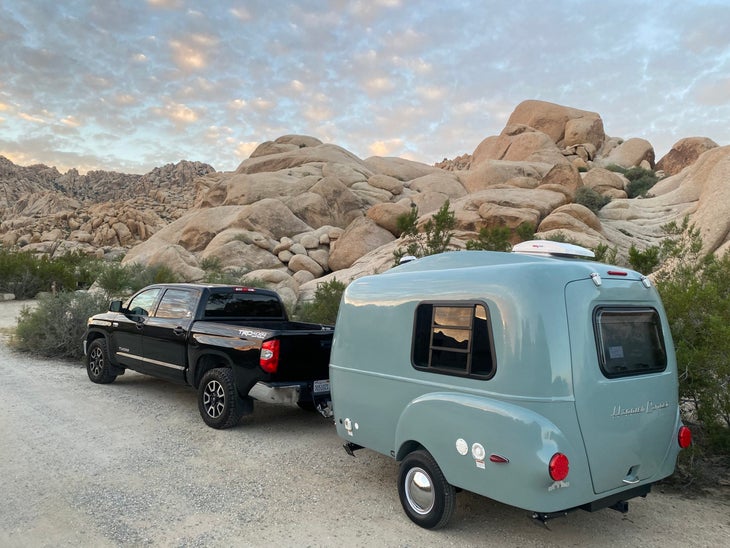
A relatively flat parking space and decent cell service…that’s all you need to live the digital nomad VanLife. Bonus points if those two amenities are located near some world–class adventure so you can explore the terrain between Zoom meetings. Joshua Tree might be the ultimate national park for the free-wheeling VanLife set. While the park itself has gorgeous campgrounds, getting a reservation can be tough, and cell service inside the park is spotty at best. But there’s a bevy of free dispersed camping on BLM land that borders the park on the south side, giving boondockers (those camping off-grid in an RV, van, or tent without utility hookups or official amenities) immediate access to the hiking trails and boulders that define this park, no reservations required. I pulled into the BLM tract on a crisp, fall Saturday night and had no trouble finding a spot to call home. And while cell service inside the park isn’t strong enough to send an email, the BLM land sits close enough to Interstate 10 to sport strong cell service. So you can log on just enough to keep your boss happy. There’s even a VanLife–specific campground just a few minutes outside of the park if you’re looking for more amenities.
If You’re a Mini-Van Pilot: Arches National Park
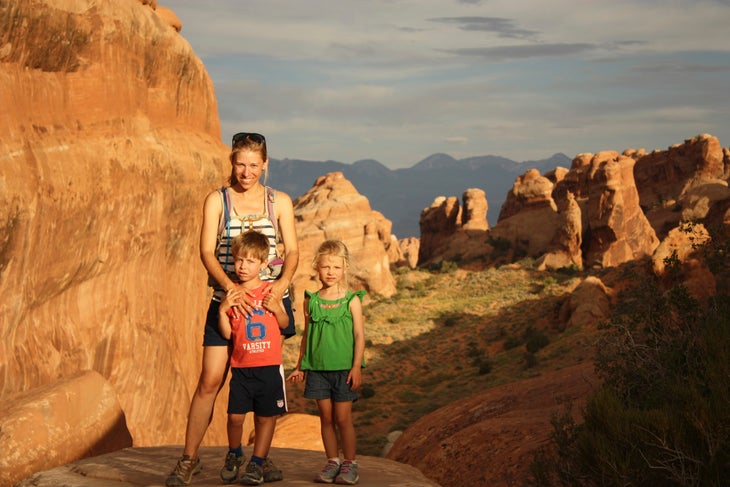
I was a proud minivan pilot for more than a decade, during which time I toted my wife and kids to countless national parks throughout the West and South. I firmly believe that the majority of parks in the system make for great family trips, but Arches, in Southeast Utah, is my favorite family park experience for a few reasons. First, arches are cool, and even the most jaded middle-school kid agrees. They may not admit it up front, but they will ask you to send them that photo you made them take where they are standing inside Delicate Arch. Second, Arches is a front-country park, with the vast majority of highlights accessible via short trails. This can be frustrating if you’re looking for a big, multi-day adventure through the landscape, but it’s a blessing if you’re marching little kids through the desert. You can walk around Balanced Rock in less than half a mile. You can walk through the massive towers of Park Avenue in under two miles. And third, the town of Moab is just outside the park boundary, so you have fast access to post-hike ice cream and inexpensive hotels with pools. Seriously, a lot of restaurants in Moab make their own ice cream. It’s a thing, and I’m here for it.
Graham Averill is Outside magazine’s national parks columnist. He identifies as a minivan pilot and bougie prince. He recently wrote about how Bend, Oregon, is trying to harness tourism for the good of locals.
The post The Best National Park for Every Travel Personality appeared first on Outside Online.
About The Author