5 Wellness Trends We’d Like to See Go Away
Calin Van Paris has been writing about wellness for more than a decade. Here, she breaks down a handful of wellness hacks and trends that, though beneficial for some, many of us could do without.
Let’s talk about wellness trends. More specifically, let’s talk about our collective penchant for “optimizing” the human experience.
Being a person is not always easy. We’re all in bodies that are designed to decay, with minds that tend to run amok and emotions that can seem like they have brains of their own. It’s only natural to try to control what we can—and self-care provides what can seem like an ideal platform for the pursuit.
Routines that can support physical, emotional, and mental well-being fall under the ever-growing umbrella of “wellness.” But many wellness trends begin in a beneficial place and spiral out of control from there.
A growing corner of self-care fads is overly focused on tracking, streamlining, and pushing extremes. And anything that makes you feel inadequate or anxious is one we’d love to fade into the background.
5 Wellness Trends 2026 We’re Over
Take what, if anything, really works for you from the below trends and then notice when it’s time to let it go.
1. Sleepmaxxing Yourself Out of Real Rest
The concept of “sleepmaxxing,” or maximizing the quality of your sleep, began swirling around social media a couple of years ago. Sleeping better is a trend we can get behind—but you don’t need expensive gadgets or high levels of anxiety to do it. More importantly, putting too much focus on your sleep habits has the potential to backfire, transforming a restful part of your day into a stressful one.
Good sleep is essential. Nicole Moshfegh, MD, clinical psychologist and author of The Book of Sleep, notes that proper (or inadequate) rest can affect your physical health and cognitive function, not to mention your mood. Sleep is meant to be restful. Relaxing. Restorative.
Your sleep routine should not be causing you additional stress. If habits like evening restorative yoga, breathwork, or less blue light after dark improve your sleep quality, maxx on! But should you find yourself agonizing over a sleep score or lying awake calculating how many minutes of rest you’re losing—both examples of orthosomnia, an obsession with achieving the optimal sleep score—know that you’ve lost the plot.
2. Cold Plunges for Everyone
Dunking your body into cold water might sound refreshing—and for some of the population, it is! Cold plunging is a Nordic tradition that some say boosts mental clarity and resilience (again, you are willingly submerging yourself in cold water) and is thought to reduce post-workout muscle stiffness, fatigue, and more.
Still, you may want to pause before adopting the cold plunge as your new cure-all. One study suggests that using cold baths for muscle recovery may be more of a placebo effect than anything else, as parsed by longtime Outside columnist Alex Hutchinson. And for those in female bodies, some research suggests that over time, exposure to cold water can adversely affect the reproductive system, and there is no proven boon to female muscle recovery.
3. Too Much Tracking
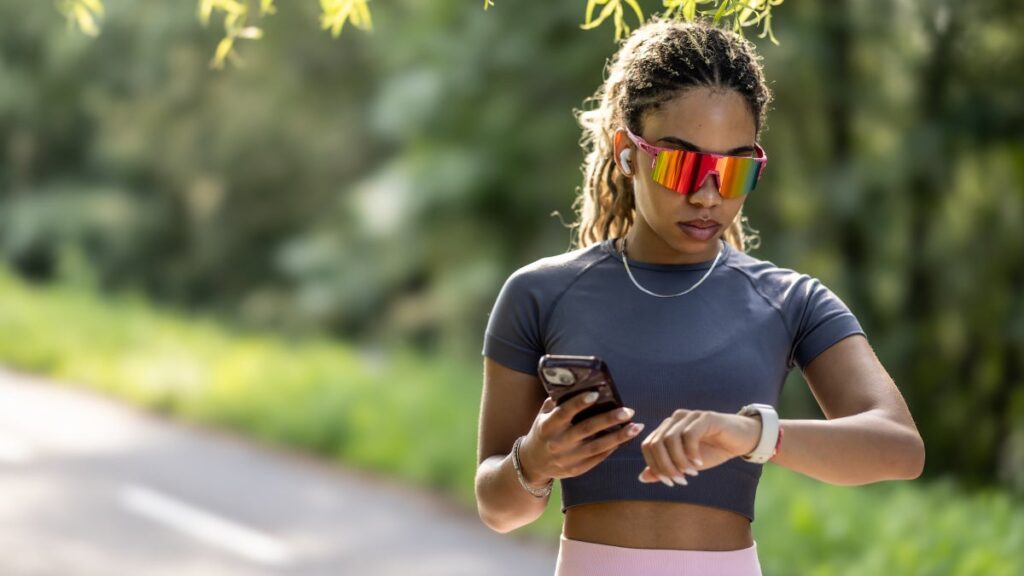
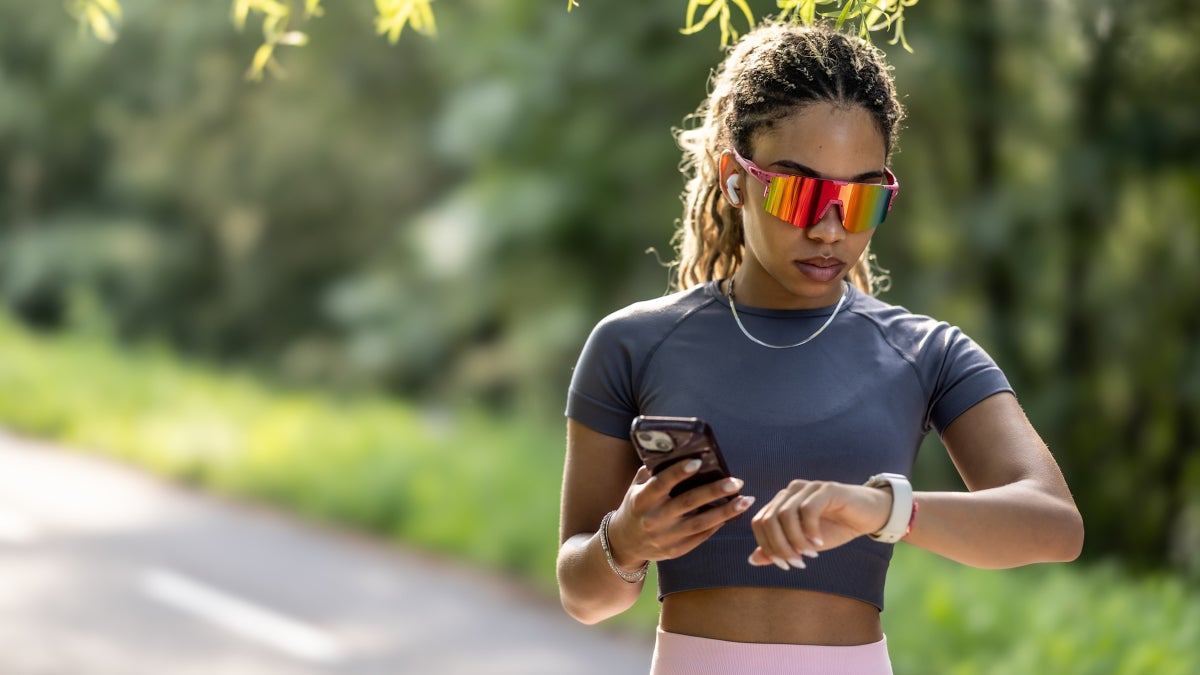
Between phone apps, smartwatches, and Bluetooth-connected rings, it’s never been easier to know exactly what’s going on in your body, at least on a biological level.
Certain smart gadgets, like the Pulse Mindfulness Ring, can act as a little buddy, helping you breathe deeply, commit to daily meditation, and focus. And when used correctly, the Oura Ring can also be a mindful companion.
The issue isn’t the tracking devices themselves, but how they’re being used. Just as putting too much stock in sleep scores can be considered an obsessive condition (again, orthosomnia), too much preoccupation with the information provided by wearable devices may negatively impact psychological well-being. For some—including those with eating or health disorders—this sort of constant tracking can serve as a trigger, increasing rigidity and anxiety around otherwise healthy habits.
In short, try taking your smart accessories off sometimes, just to see how you feel.
4. Supplements Over Everything
We live in a world where the breaking news about what’s going on in our minds and bodies—and, usually, what we’re lacking—is practically non-stop. And usually, there’s a supplement for that. According to one report, the global supplement market is projected to be worth $300 billion by 2028.
Supplementing becomes an issue when you’re adding to your stack before looking at your diet and other habits. Studies have shown that supplements and weight loss pills offer a perceived sense of invulnerability, ironically leading to poorer choices in nutrition and fitness habits.
Another more obvious issue is supplements offered with no scientific evidence to back up purported benefits. Not all supplements on the market are even FDA-approved; in fact, many are not.
But if your supplements are thoughtfully chosen and supplementing an existing healthy lifestyle, you’re probably on the positive side of this trend.
5. Performative Wellness
The internet can make your life feel like a reality show. And if you make your living as an influencer, maybe it sort of is. But even with audience perception, brand deals, and showmanship at stake, your health and wellness routine can and should make you feel good.
At its core, self-care is for you. If sharing your journey feels beneficial for you and for them, go ahead. But when your wellness practices become more about the performance of tending to yourself and less about actually doing things that bring you peace and healing, you may want to reconsider your approach.
The post 5 Wellness Trends We’d Like to See Go Away appeared first on Outside Online.
About The Author